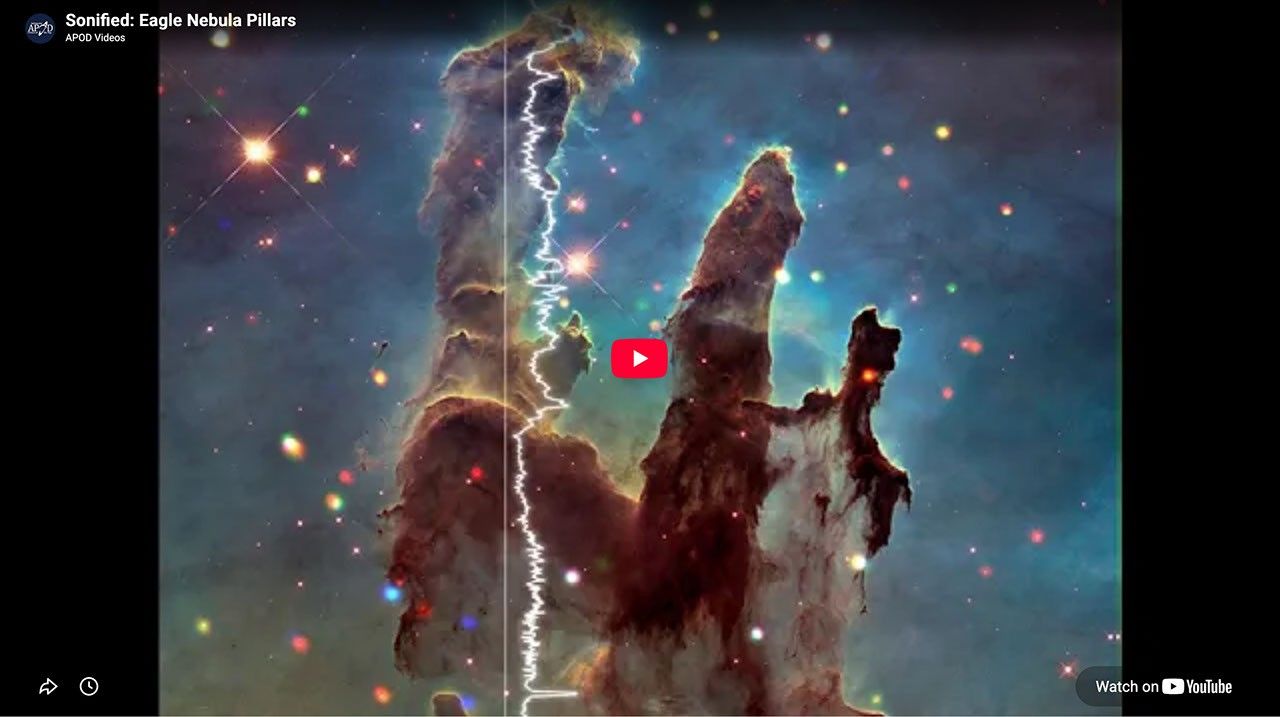
Sonified: Eagle Nebula Pillars
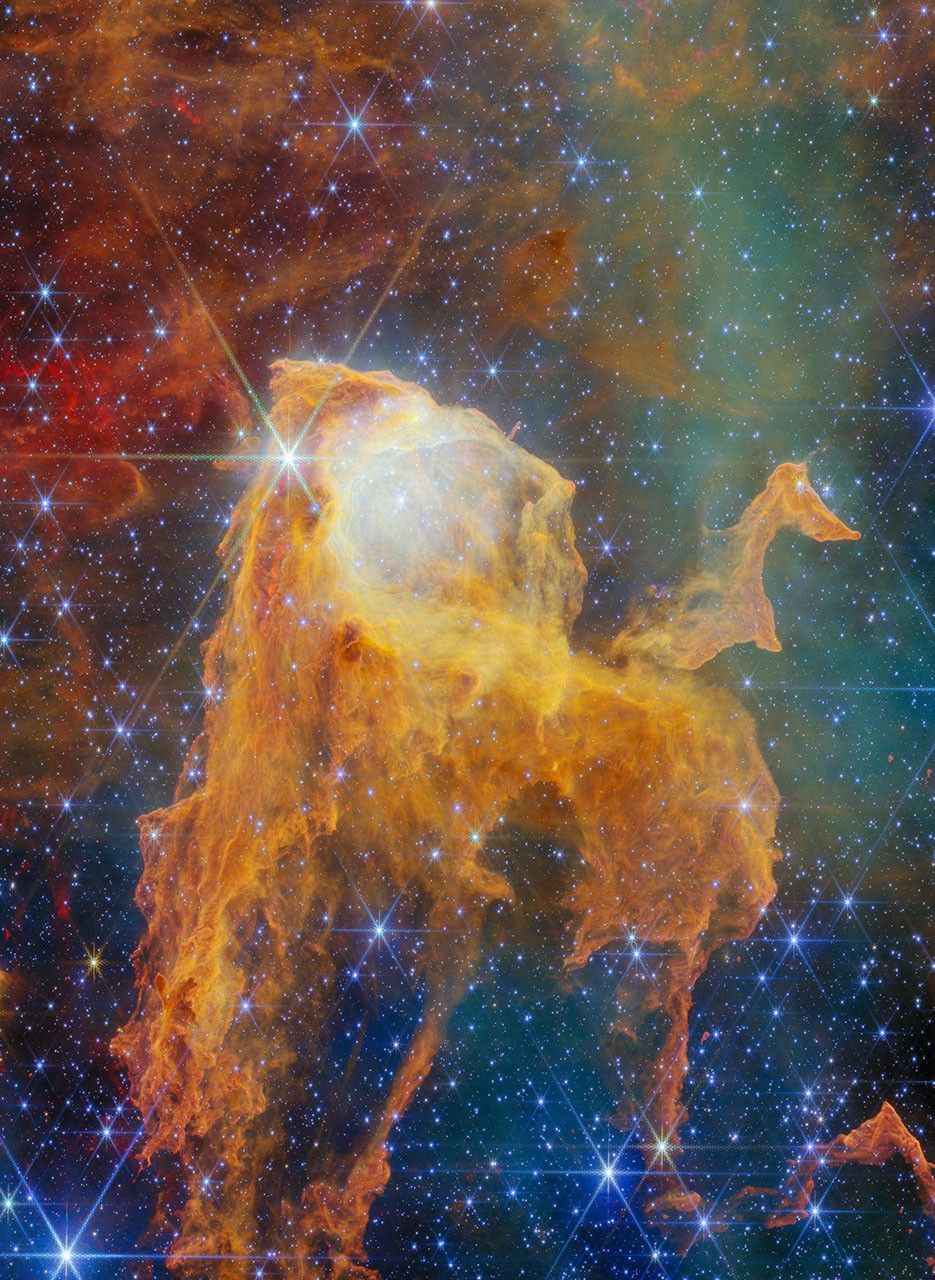
Yes, but have you ever experienced the Eagle Nebula with your ears? The famous nebula M16 is best known for the feast it gives your eyes, highlighting bright young stars forming de...
No escribo estos posts a mano. Cada día, un sistema automático revisa una fuente de contenido y publica algo nuevo sin que yo intervenga. Es el mismo tipo de solución que construyo para negocios: procesos que antes tomaban tiempo manual, ahora corren solos.

Yes, but have you ever experienced the Eagle Nebula with your ears? The famous nebula M16 is best known for the feast it gives your eyes, highlighting bright young stars forming de...

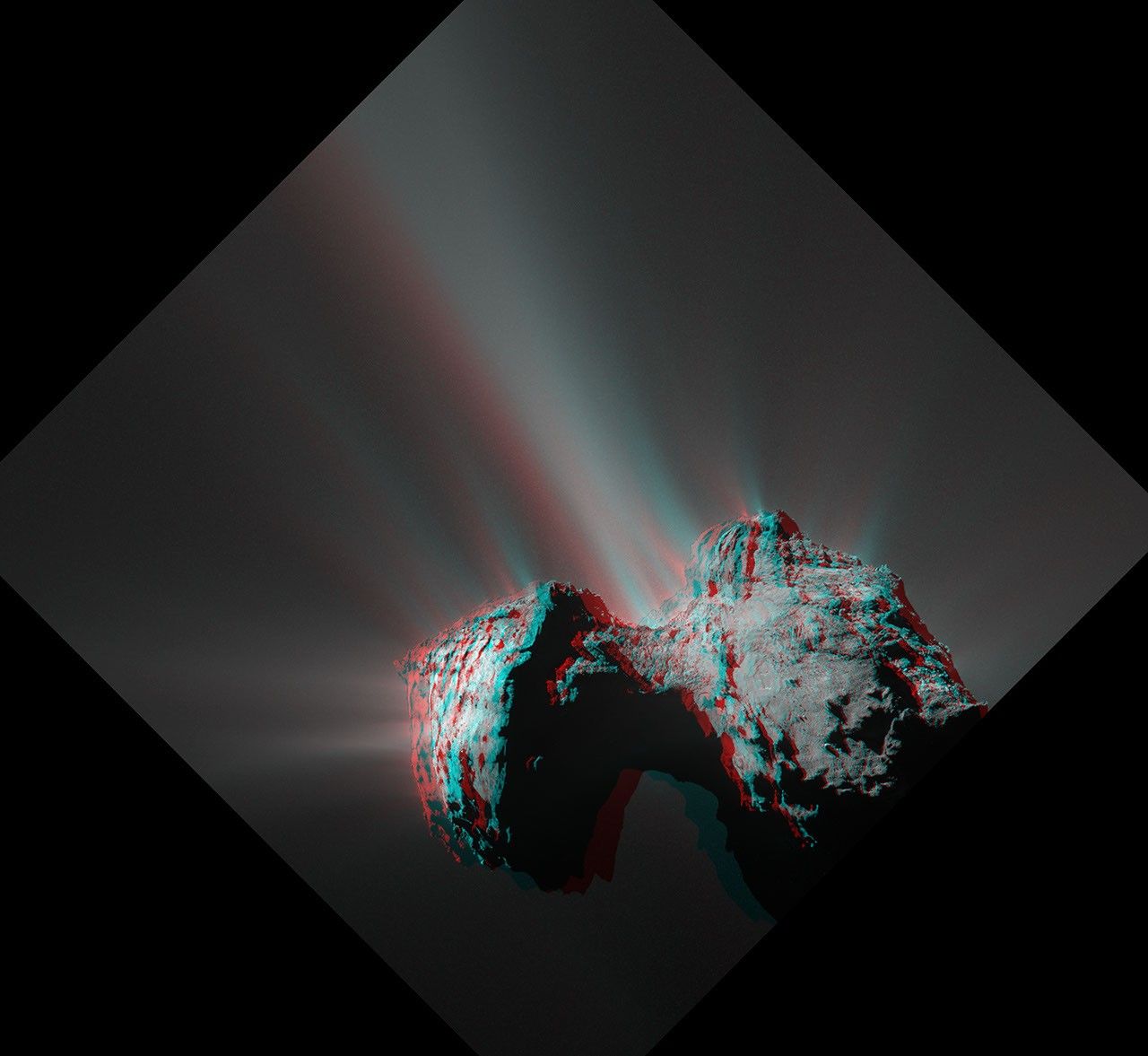
Ponte tus lentes rojo-azul y flota junto al núcleo irregular y bilobulado de Churyumov-Gerasimenko, también conocido como el Cometa 67P. El anaglifo estéreo fue creado combinando...

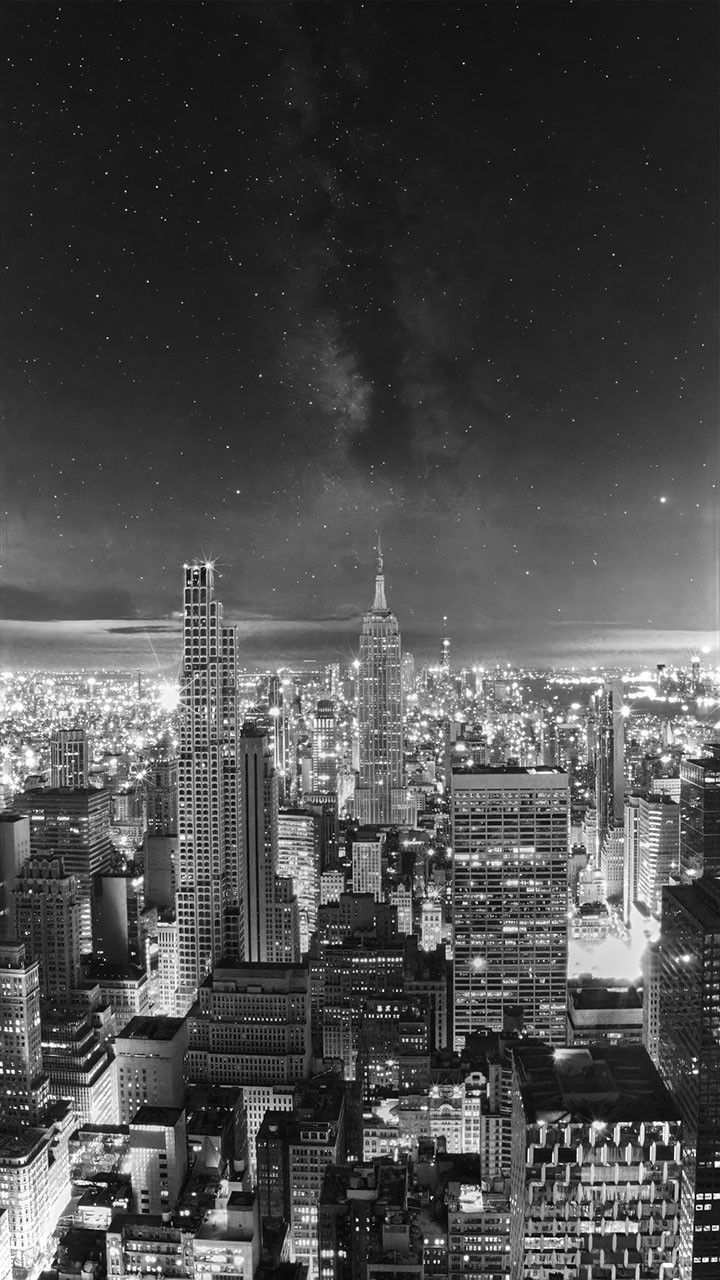
The city lights outshine the stars in the City That Never Sleeps. Who would have thought that the Milky Way could be visible in this sky? This image was taken with a filter that bl...

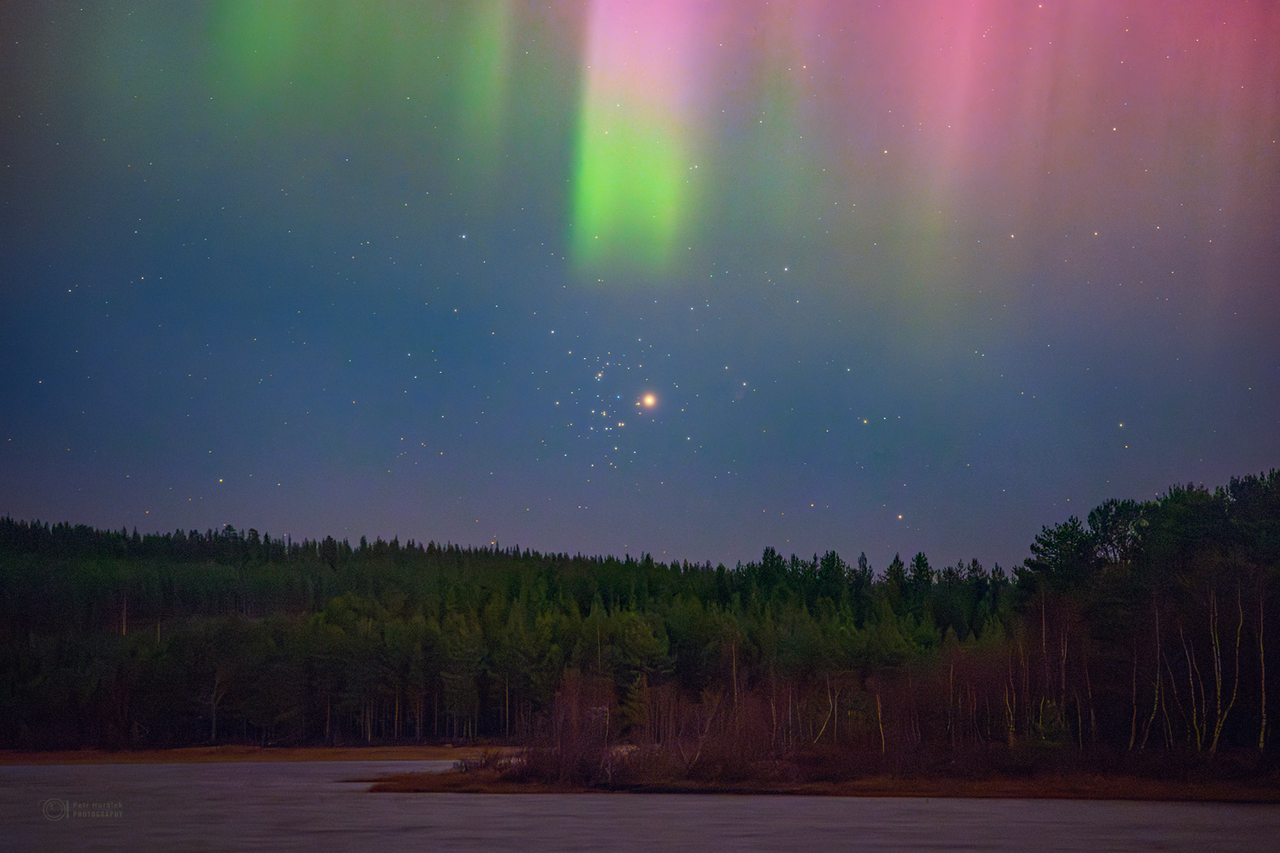
What a cosmic coincidence! In today’s image, Mars joins the Beehive cluster (M44 or Praesepe) below an auroral curtain and above a horizon of happy little trees near Lansjärv, Swed...

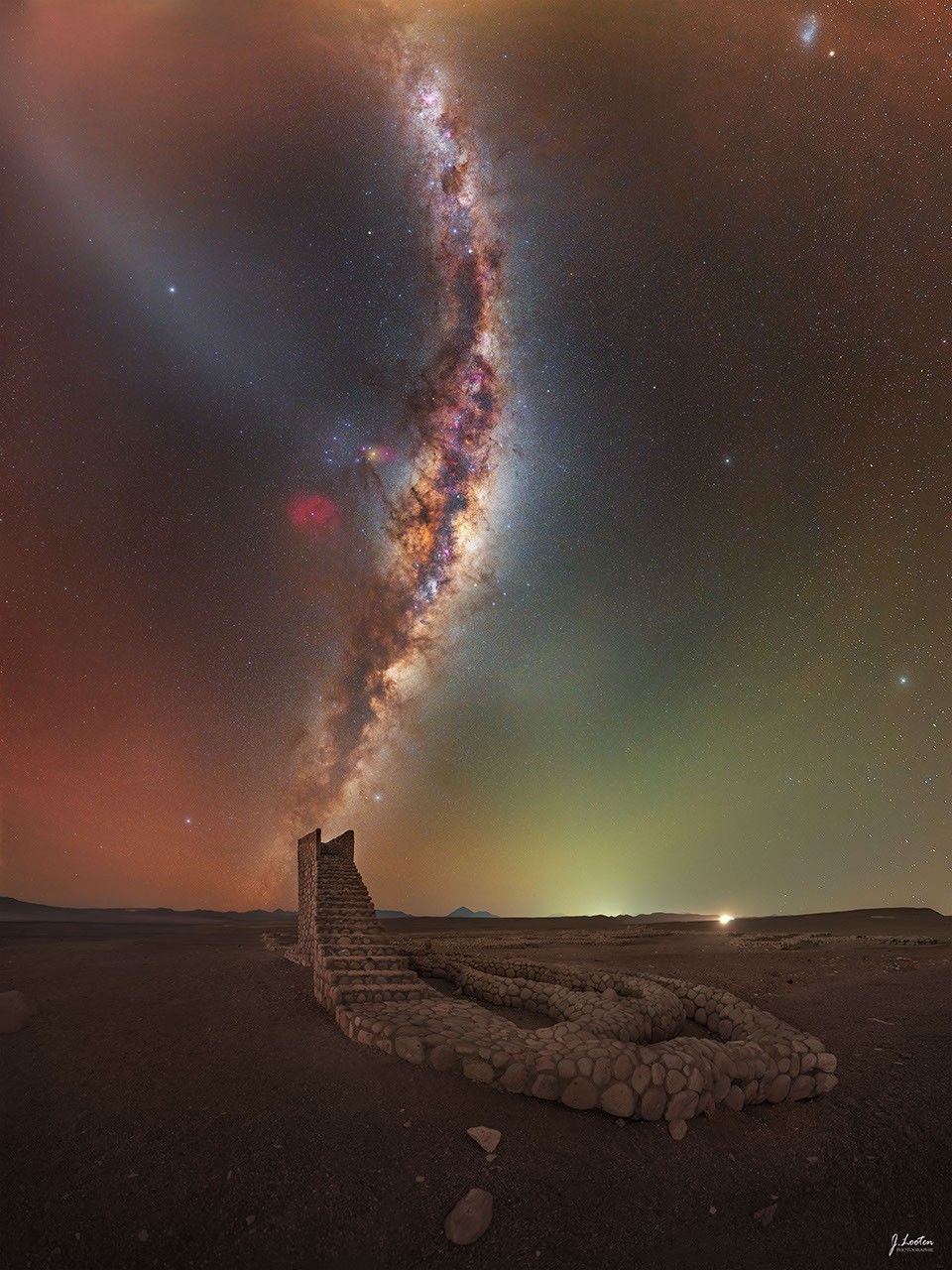
This stairway in Chile brings you only a little bit closer to heaven. But ooh, the sky above it makes you wonder. For example, you may wonder about the dark lane of our own Milky W...

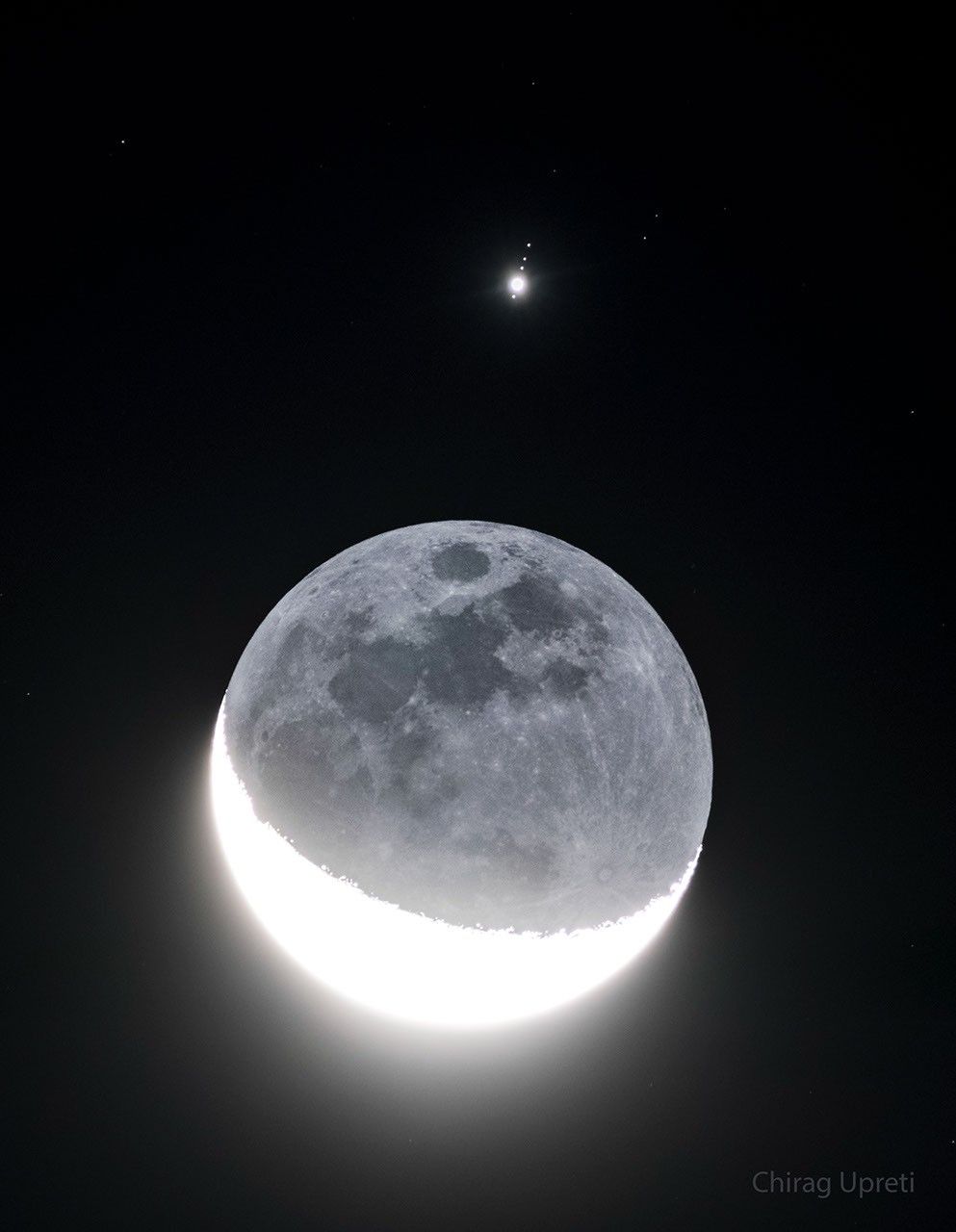
How many moons can you see? The best answer is five: four orbiting Jupiter and Luna orbiting Earth. This multi-moon picture was possible because Earth's Moon moved directly in fron...

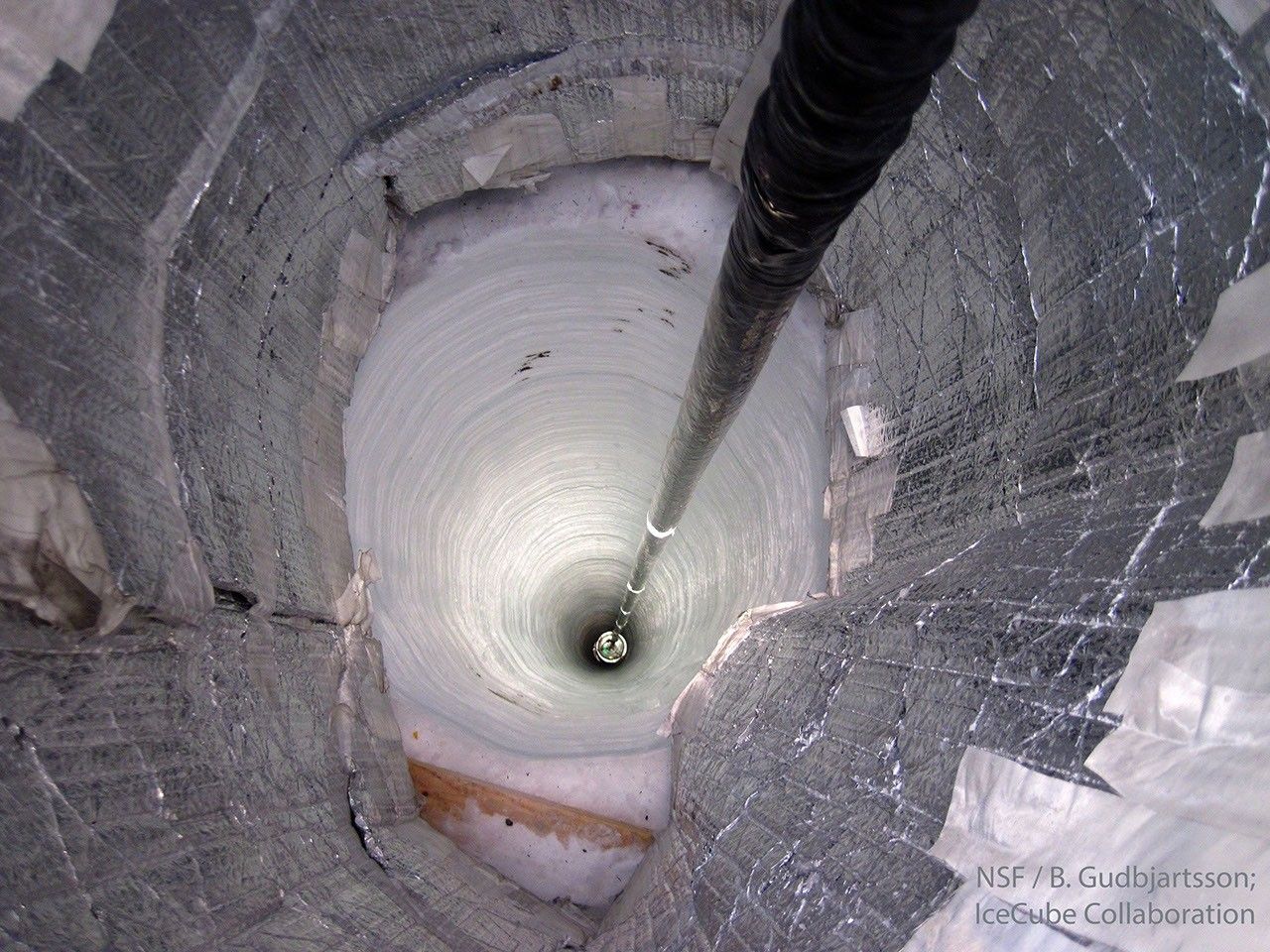
Scientists are melting holes in the bottom of the world. In fact, almost 100 holes melted near the South Pole are now being used as an astronomical observatory. Astronomers with th...

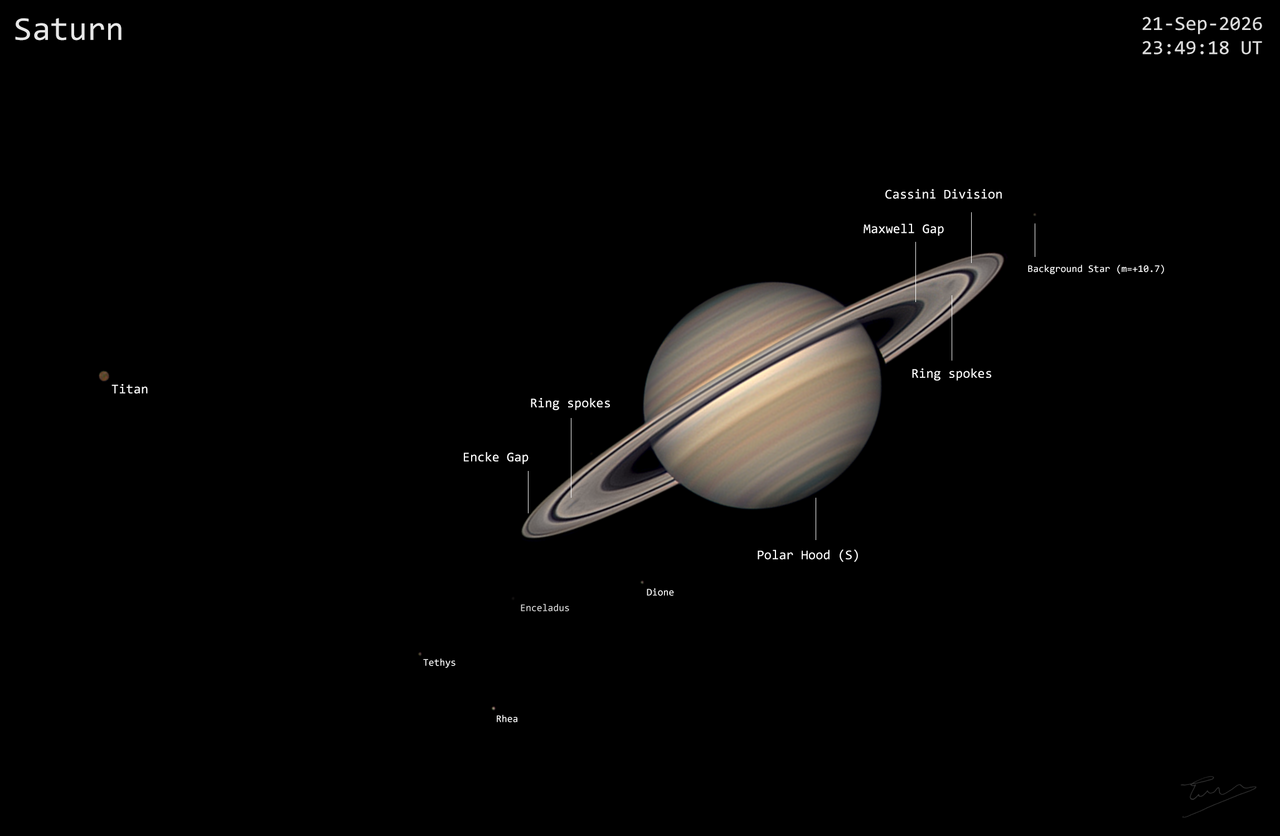
How was the Saturn system imaged so clearly? Astrophotographer Tom Williams captured such exquisite details due to one night of exceptional atmospheric conditions above the United ...

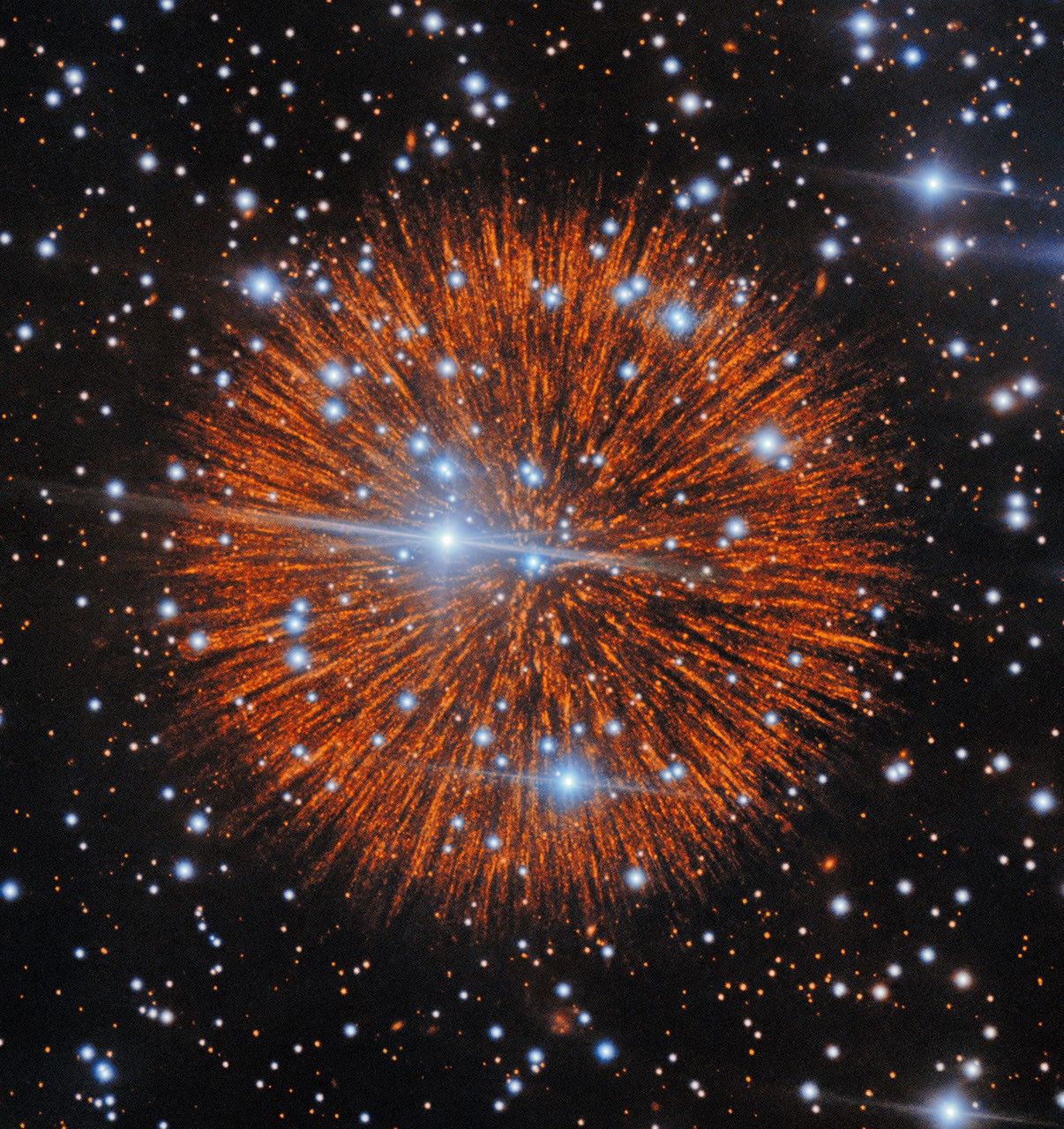
"Happy New Year!" No, wait, this is not a fireworks display. This image shows Nebula Pa 30, observed with the Gemini North Telescope in Hawai'i. It is likely the remnant of an old ...

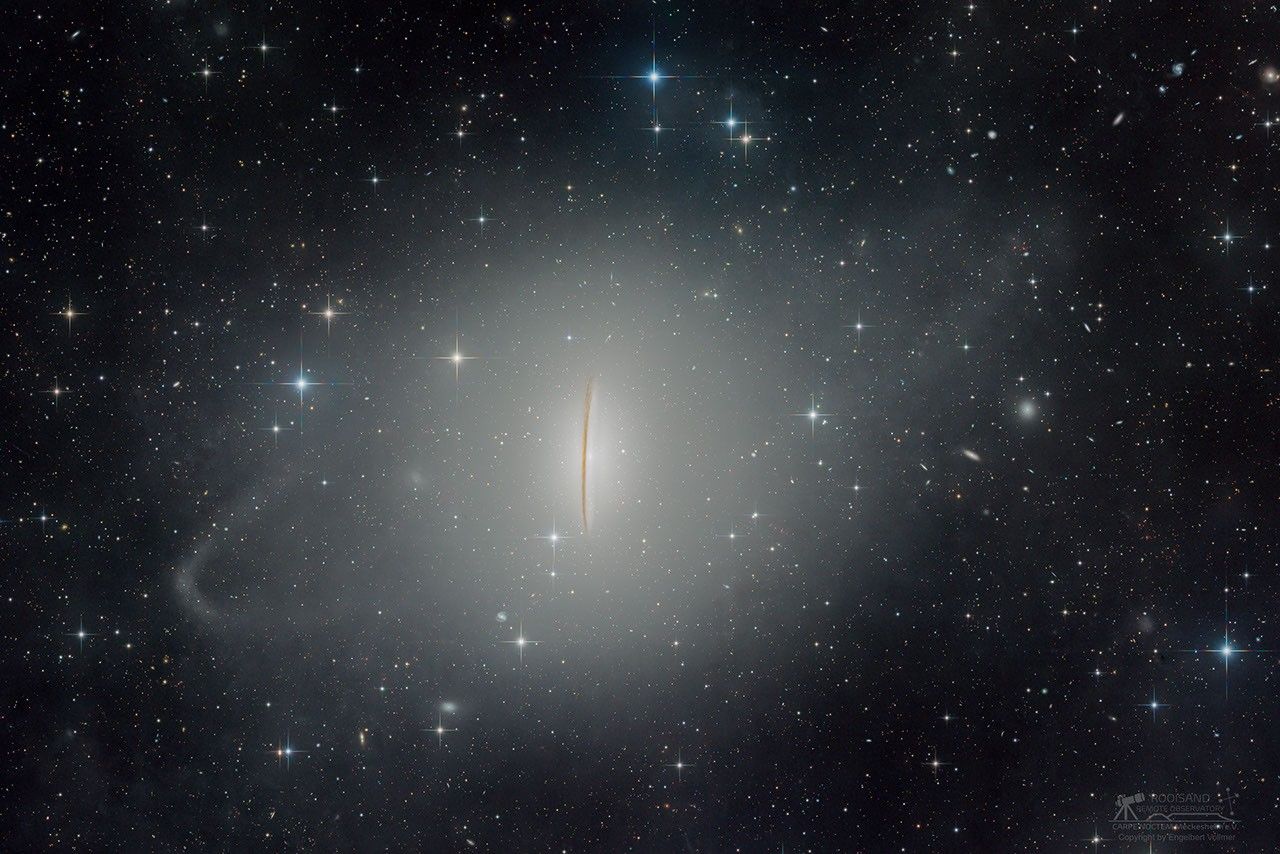
A deep image of the Sombrero galaxy reveals surprises. M104 is named the Sombrero galaxy because, on shorter exposures, it looks like a hat. A key defining feature of this huge gal...

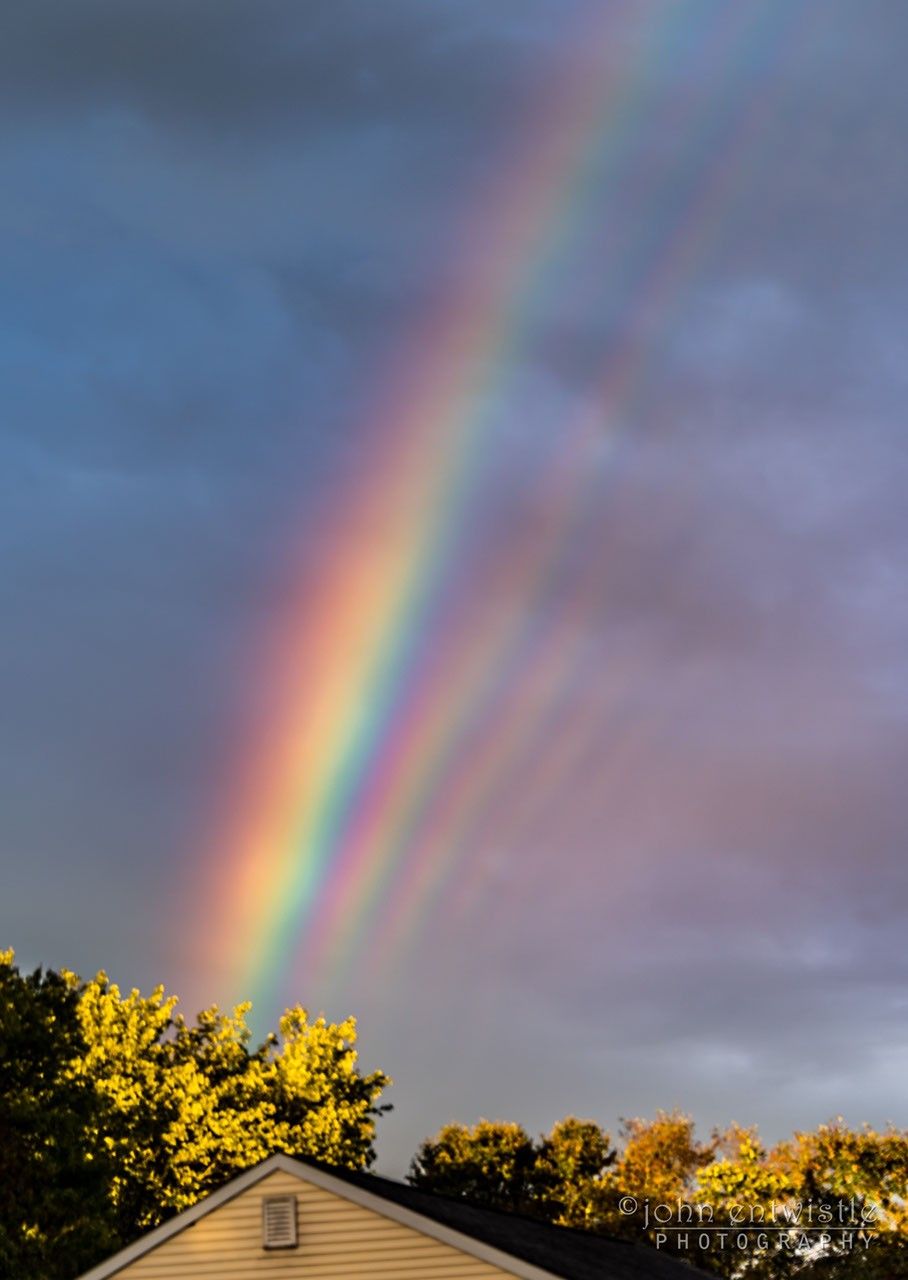
Yes, but can your rainbow do this? After the remnants of Hurricane Florence passed over the Jersey Shore, New Jersey, USA in 2018, the Sun came out in one direction but something q...

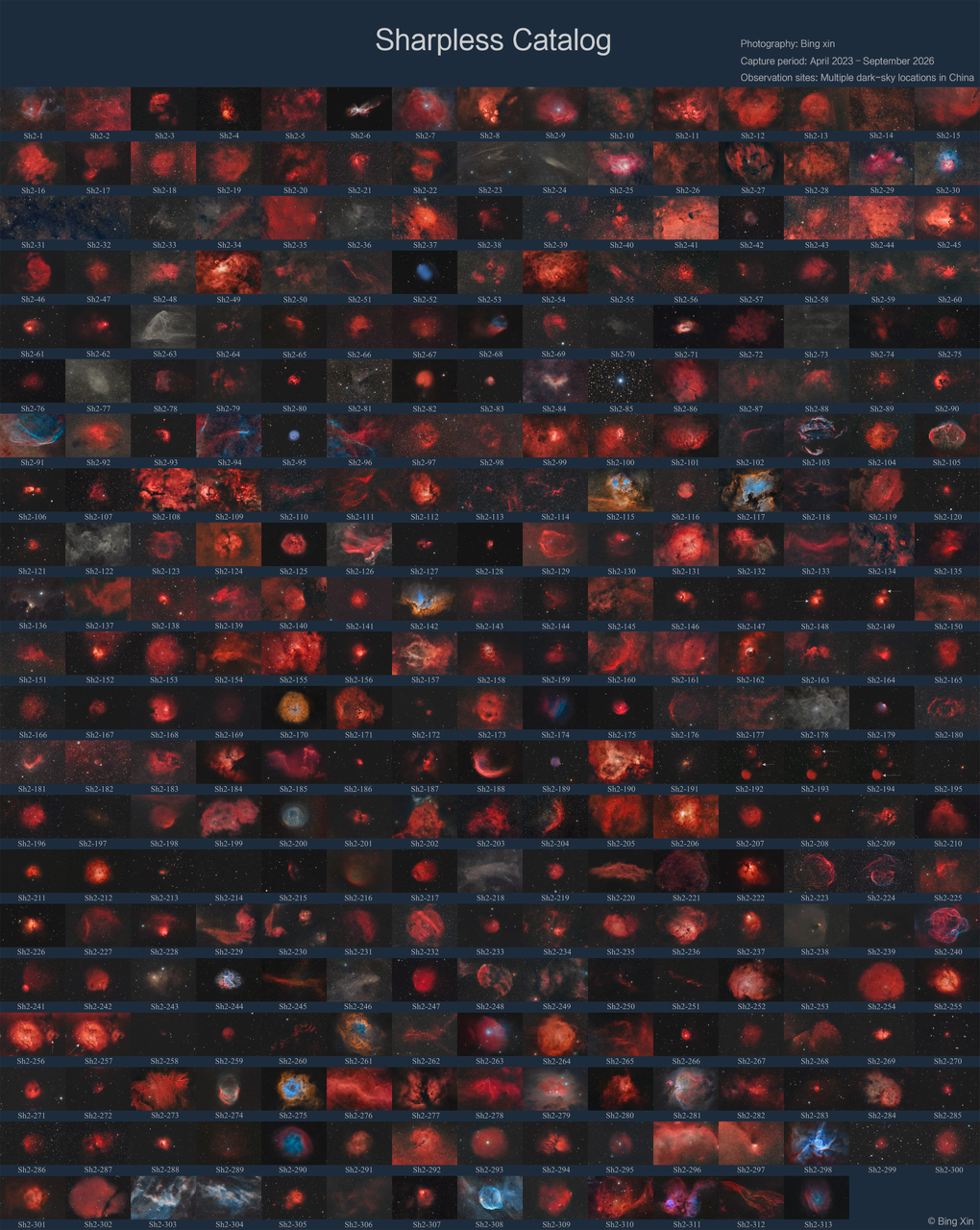
What does it take to image hundreds of nebulas? Today’s image contains the entire Sharpless Catalog of H II Regions, totaling 313 objects. Zoom in and explore! You may spot fan fav...

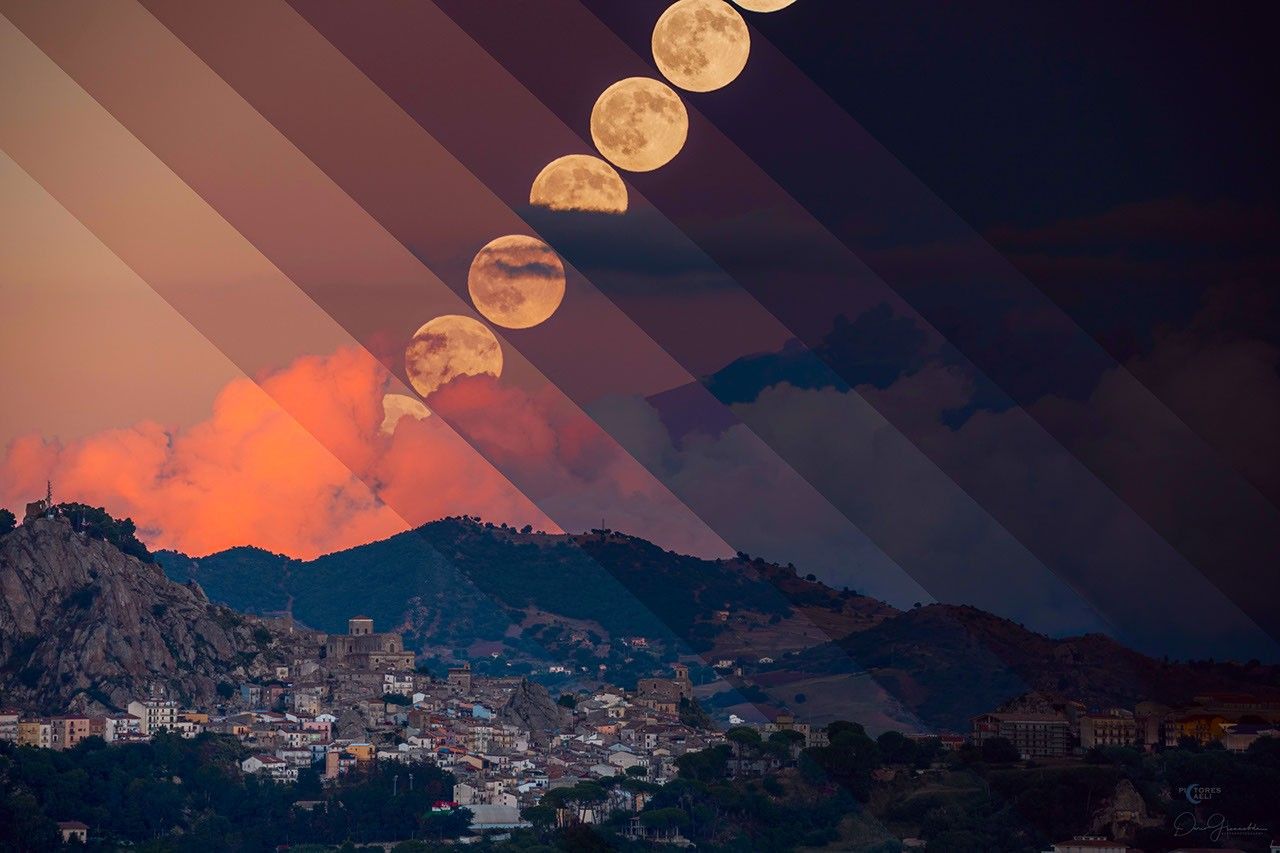
Have you ever seen the full moon rise? This colorful image was photographed last weekend in Sicily, just outside the town of Nicosia, in Italy. It is a composite photograph that sh...

What causes the swirl in the Shrimp Nebula? Its high speed is likely. What is sure is that Sh2-188 is one of the larger planetary nebulas on the night sky, by angular size, spanni...

What color is the universe? More precisely, if the entire sky were smeared out, what color would the final mix be? This whimsical question came up when trying to determine what s...

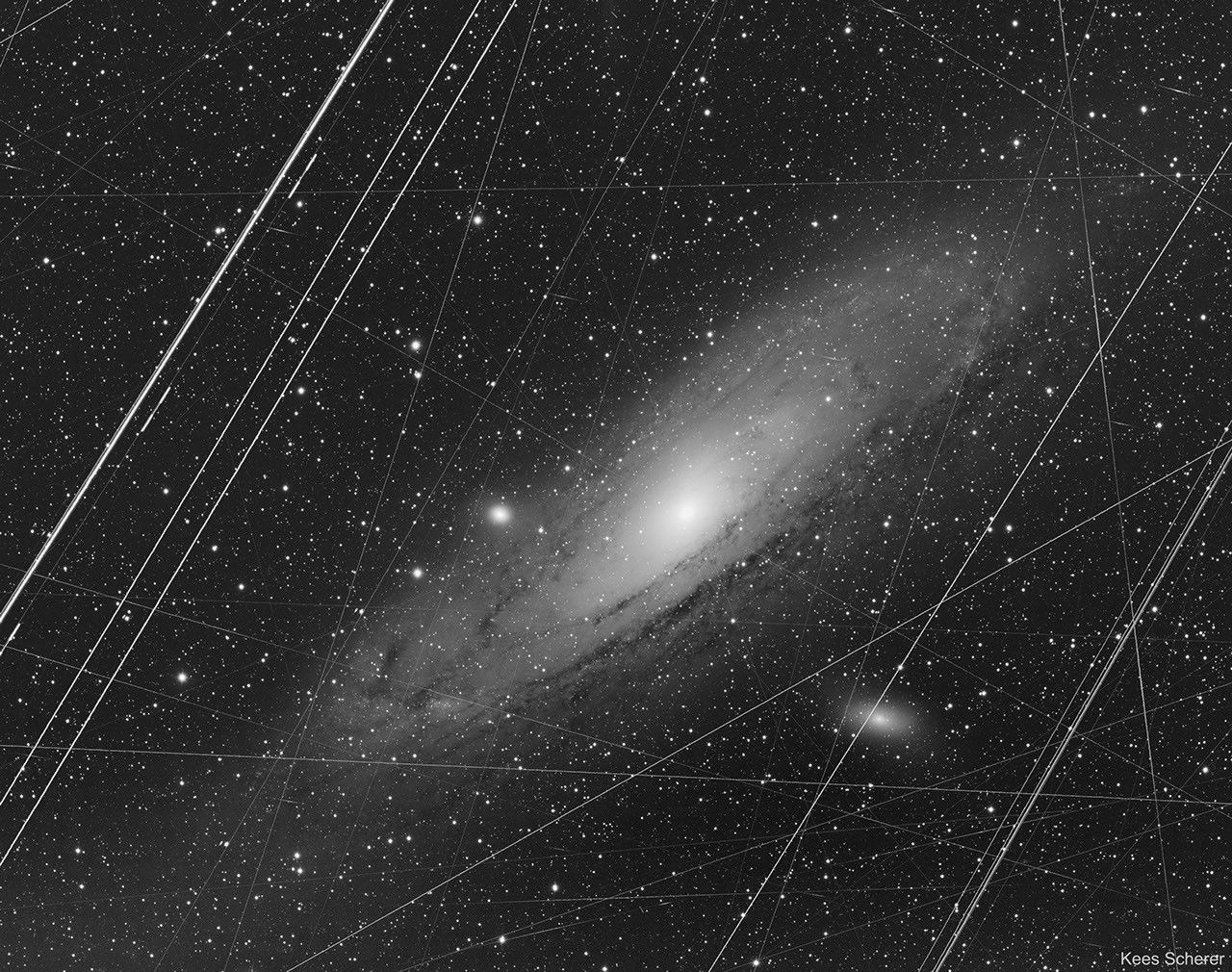
¿Cómo se ve realmente la galaxia de Andrómeda? La imagen destacada muestra cómo la vecina galáctica mayor más cercana de nuestra Vía Láctea aparece en una exposición prolongada a través de la Tierra...

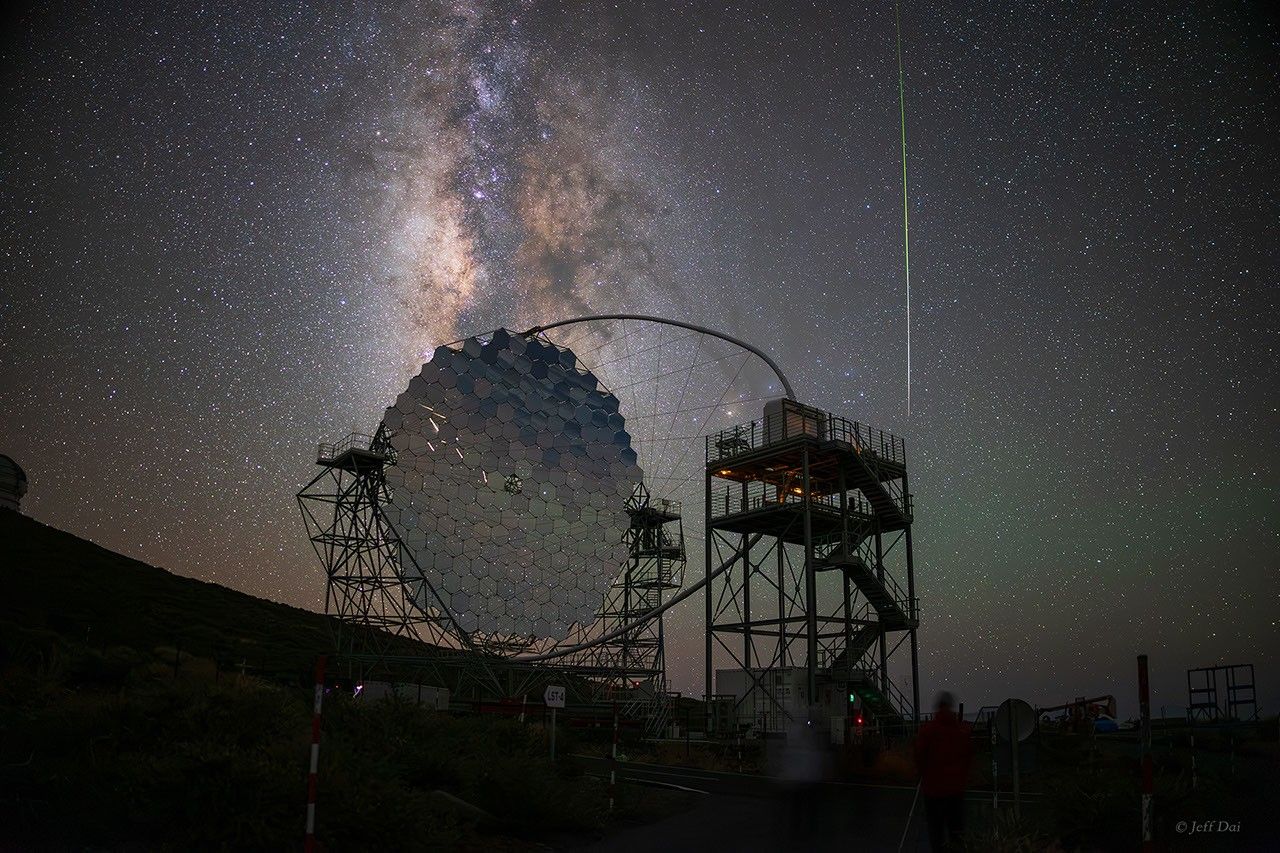
On August 15, this perseid meteor streaked through night skies over the Observatorio del Roque de los Muchachos at La Palma, Canary Islands, Spain. The bright and colorful meteor t...

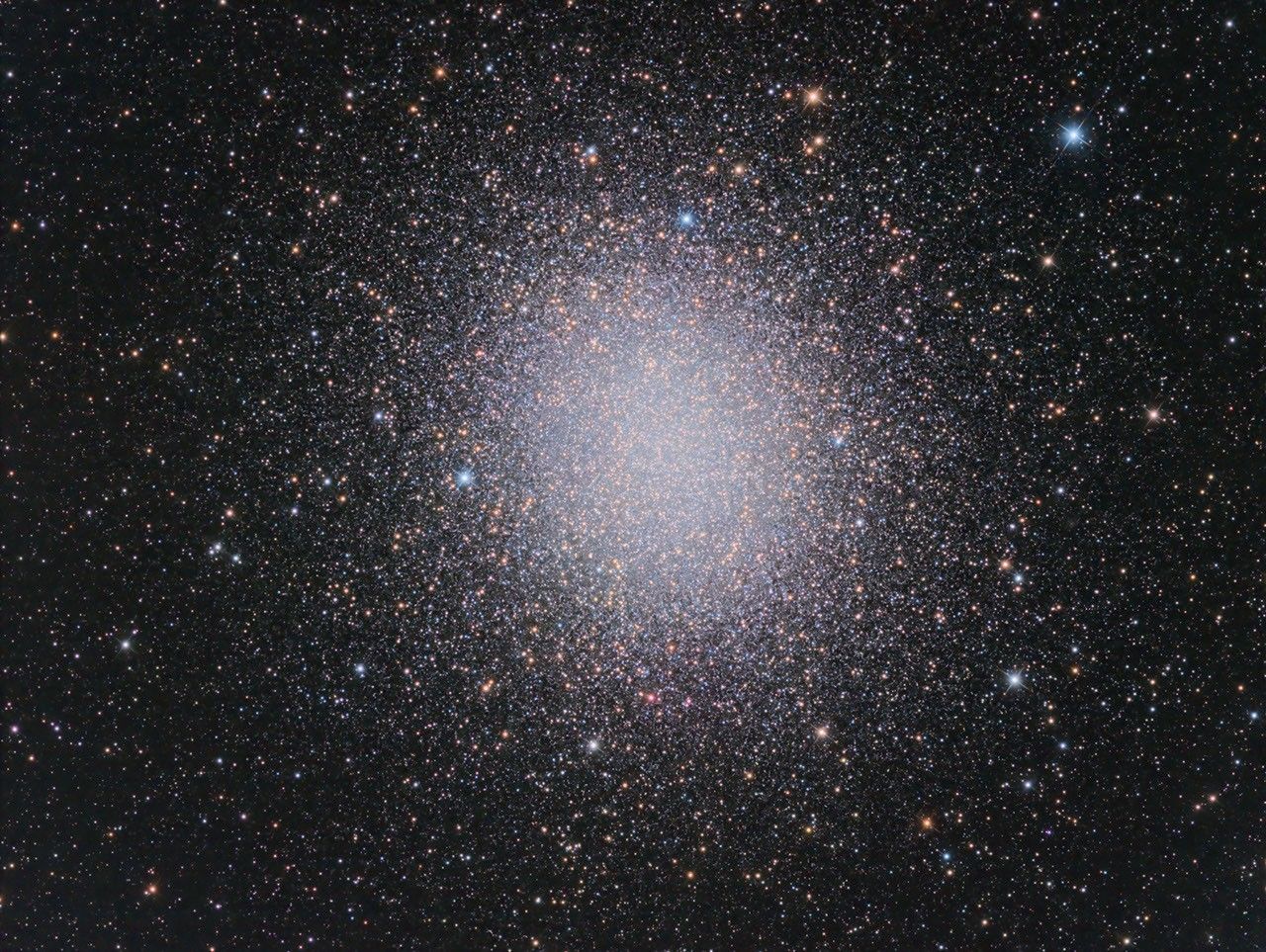
Globular star cluster Omega Centauri packs about 10 million stars much older than the Sun into a volume some 150 light-years in diameter. Also known as NGC 5139, at a distance of 1...

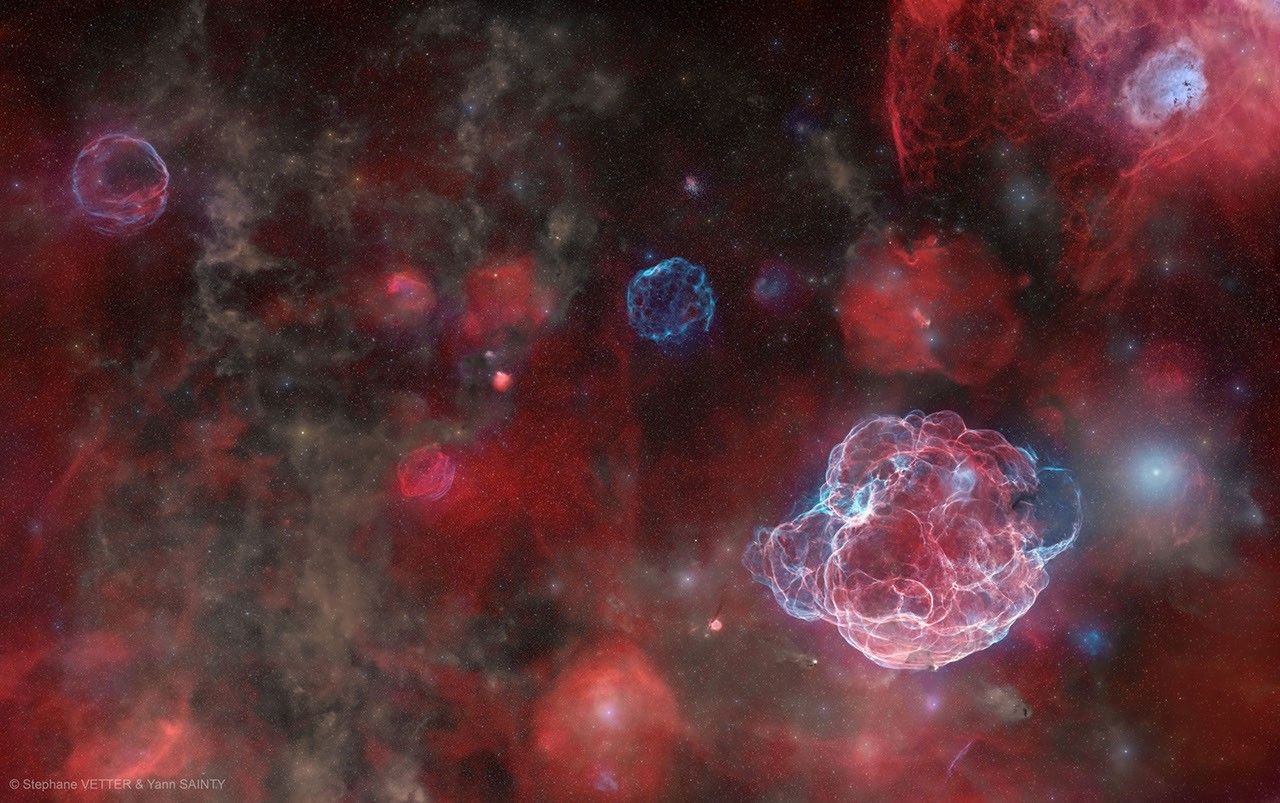
The ghosts of five supernovas haunt this extraordinary image. It was acquired at Oukaïmeden Observatory in Morocco with approximately 200 hours of observations and shows a large ...

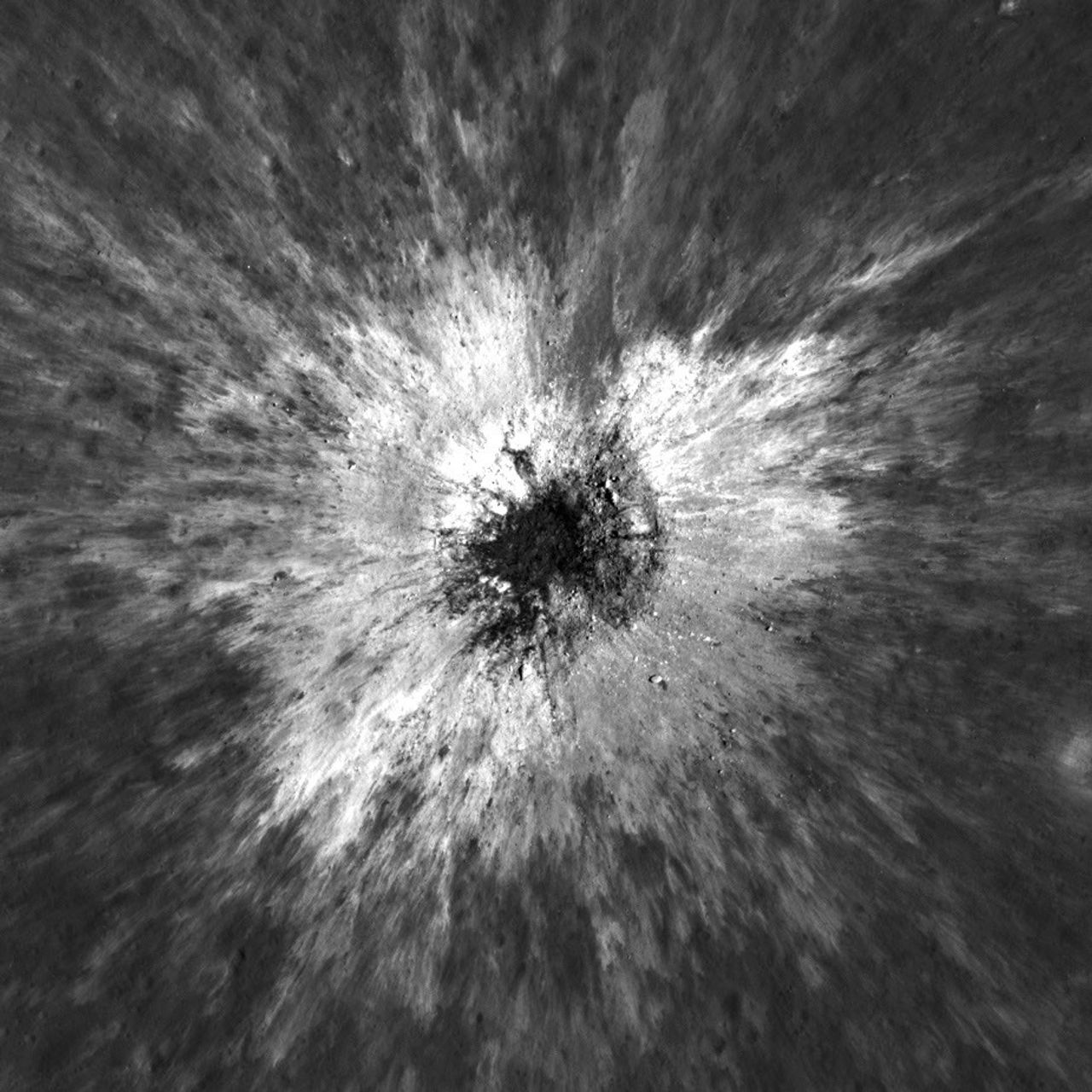
¡Ha aparecido un cráter único en la vida en la Luna! Un cometa o asteroide del tamaño aproximado de una ballena jorobada (aproximadamente 10-20 metros, 30-60 pies) se estrelló contra la Luna en algún momento...

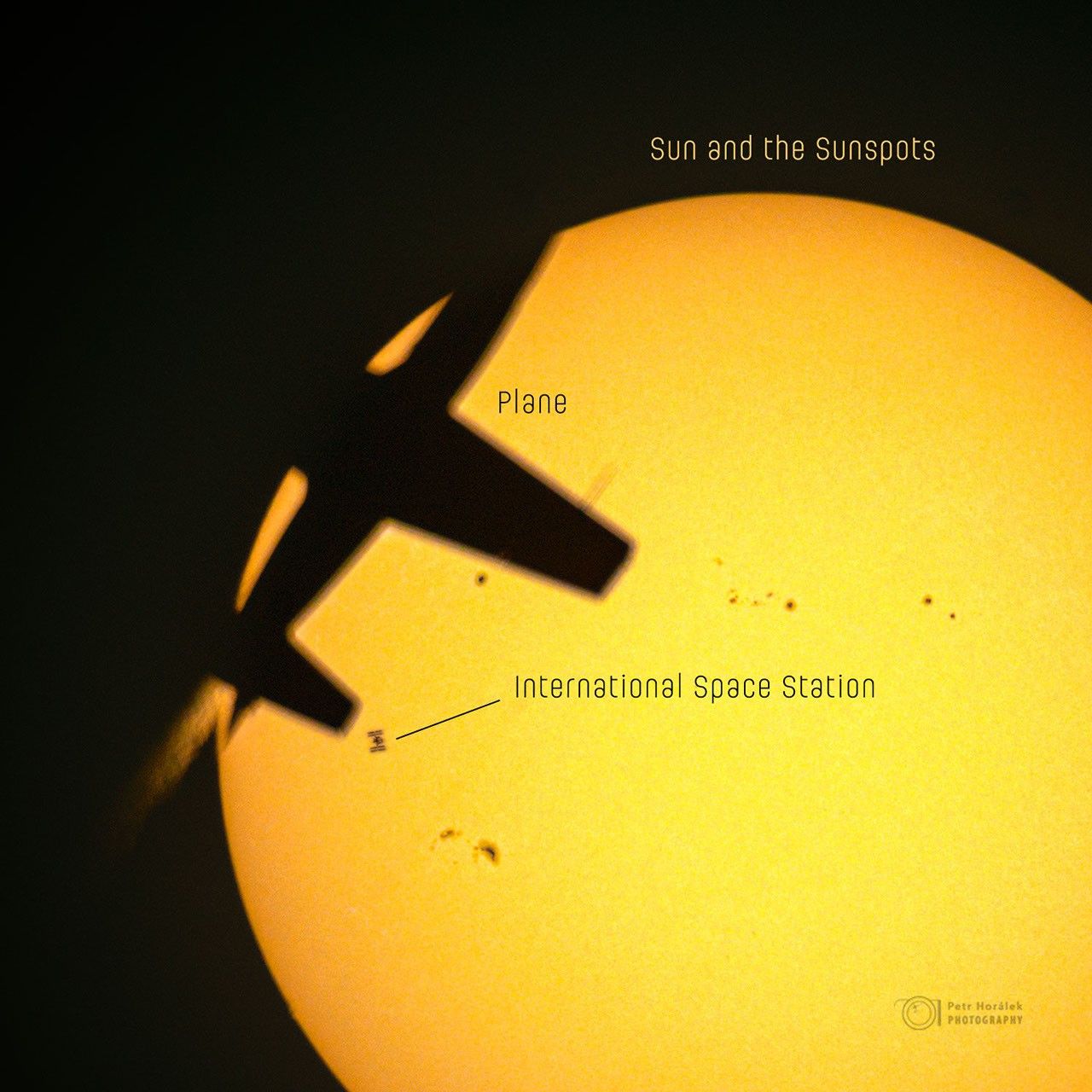
This shot captured an unexpected silhouette. Which is it? It isn't the sunspots, the small dark regions caused by concentrated magnetic fields visible around the Sun's bright disk...

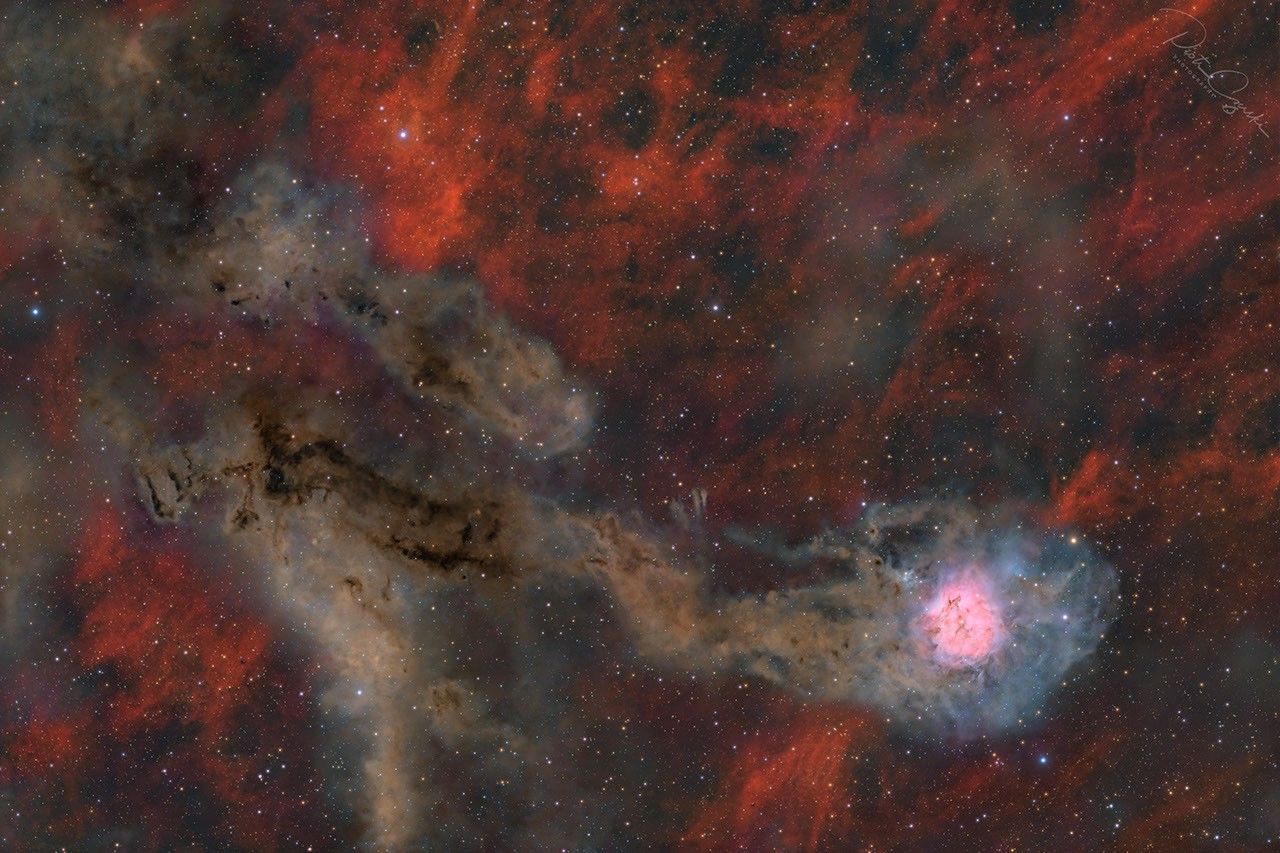
When does a nebula look like a comet? In this crowded starfield covering over two degrees within the high-flying constellation of the Swan (Cygnus), the eye is drawn to the Cocoon...

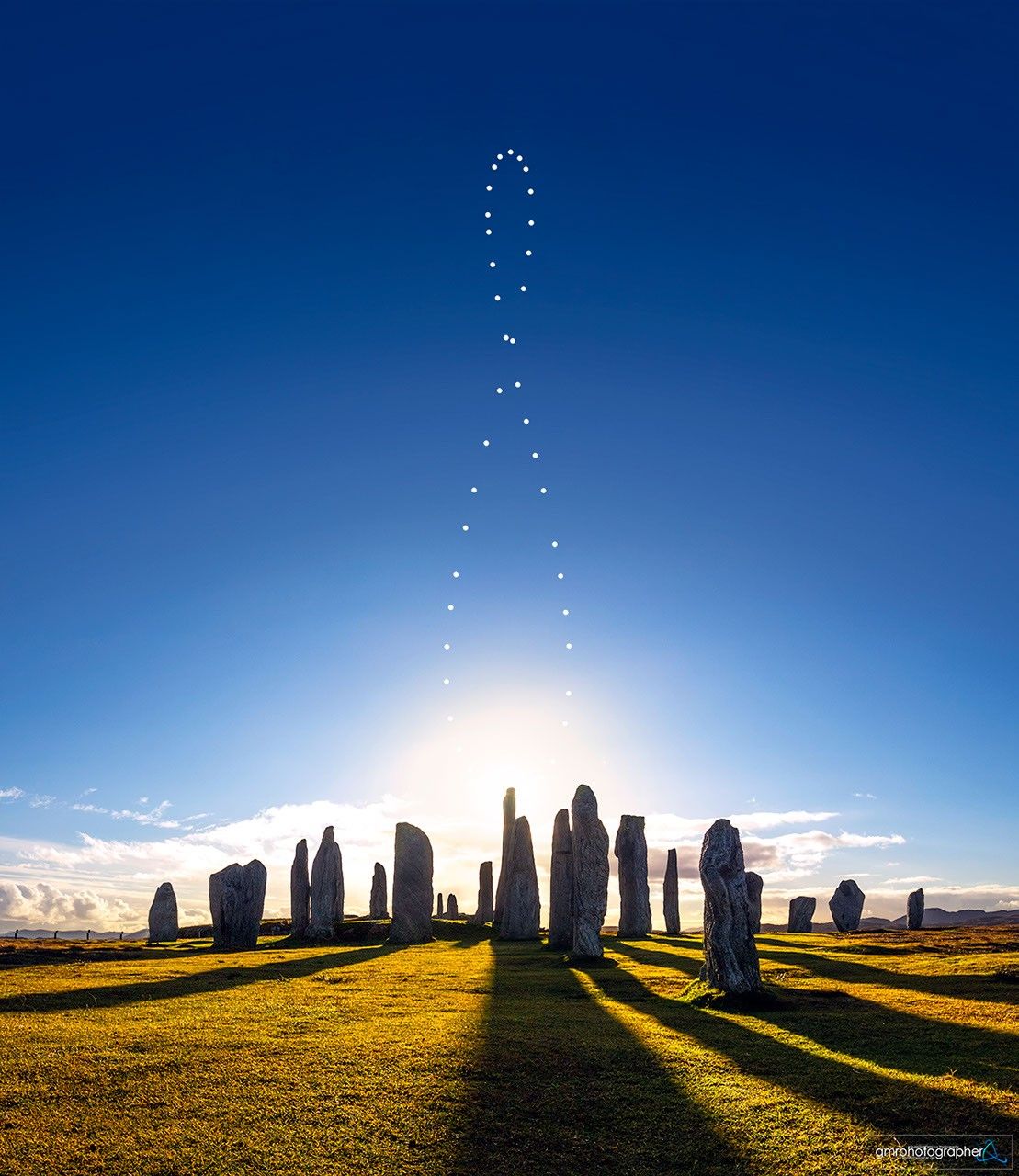
If you went outside at the same time every day and took a picture that included the Sun, how would the Sun's position change? A visual answer to that question is an analemma, a co...

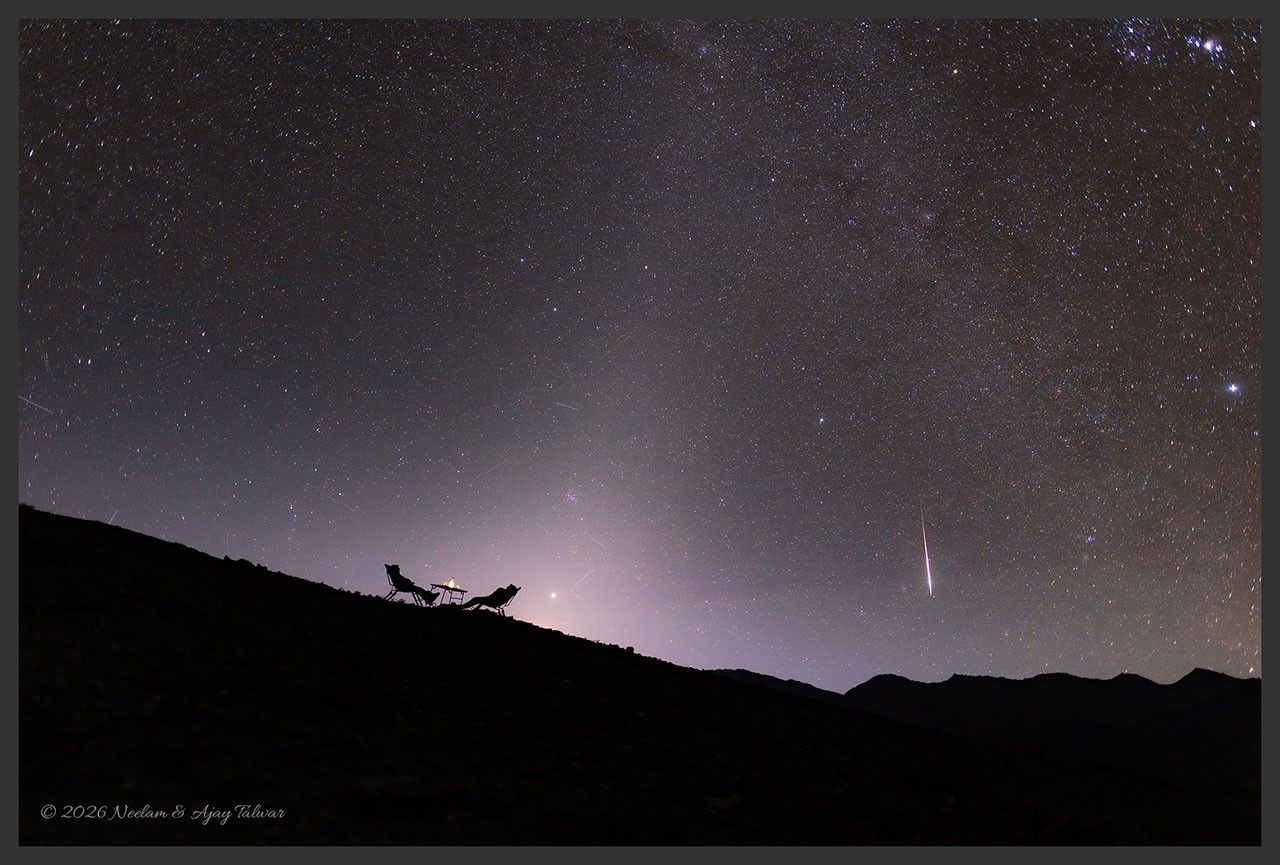
También conocida como el falso amanecer, una banda luminosa de luz zodiacal es capturada en este paisaje nocturno oscuro. La serena vista fue grabada justo antes del comienzo del crepúsculo astronóm...

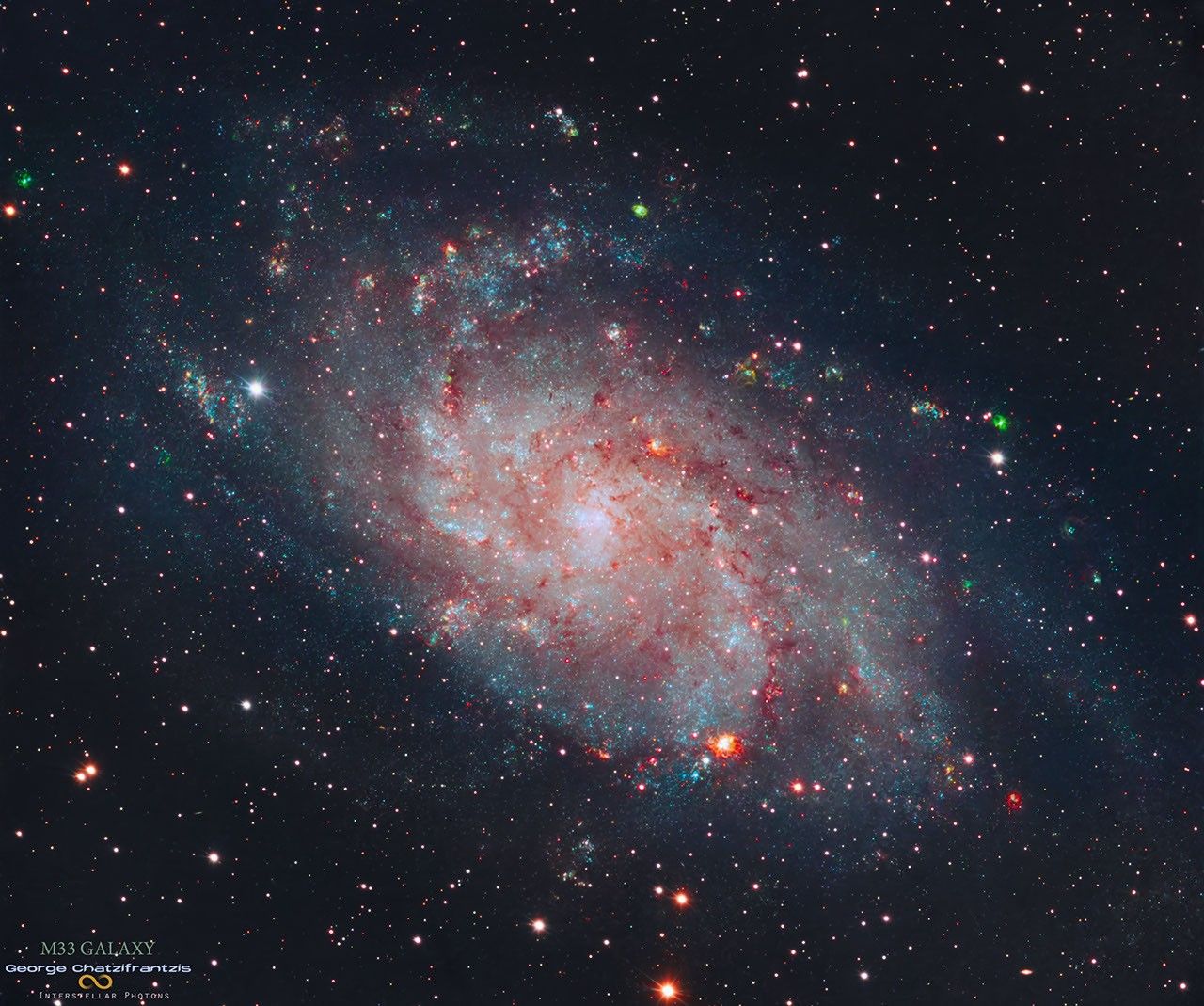
The small, northern constellation Triangulum harbors this magnificent face-on spiral galaxy, Messier 33. Its popular names include the Pinwheel Galaxy or just the Triangulum Galaxy...

Este cofre del tesoro está lleno de estrellas. La imagen destacada fue obtenida con el Telescopio Espacial James Webb de la NASA y muestra un pilar de polvo en la Nebulosa Carina dentro de nuestra Galaxia, aproximadam...

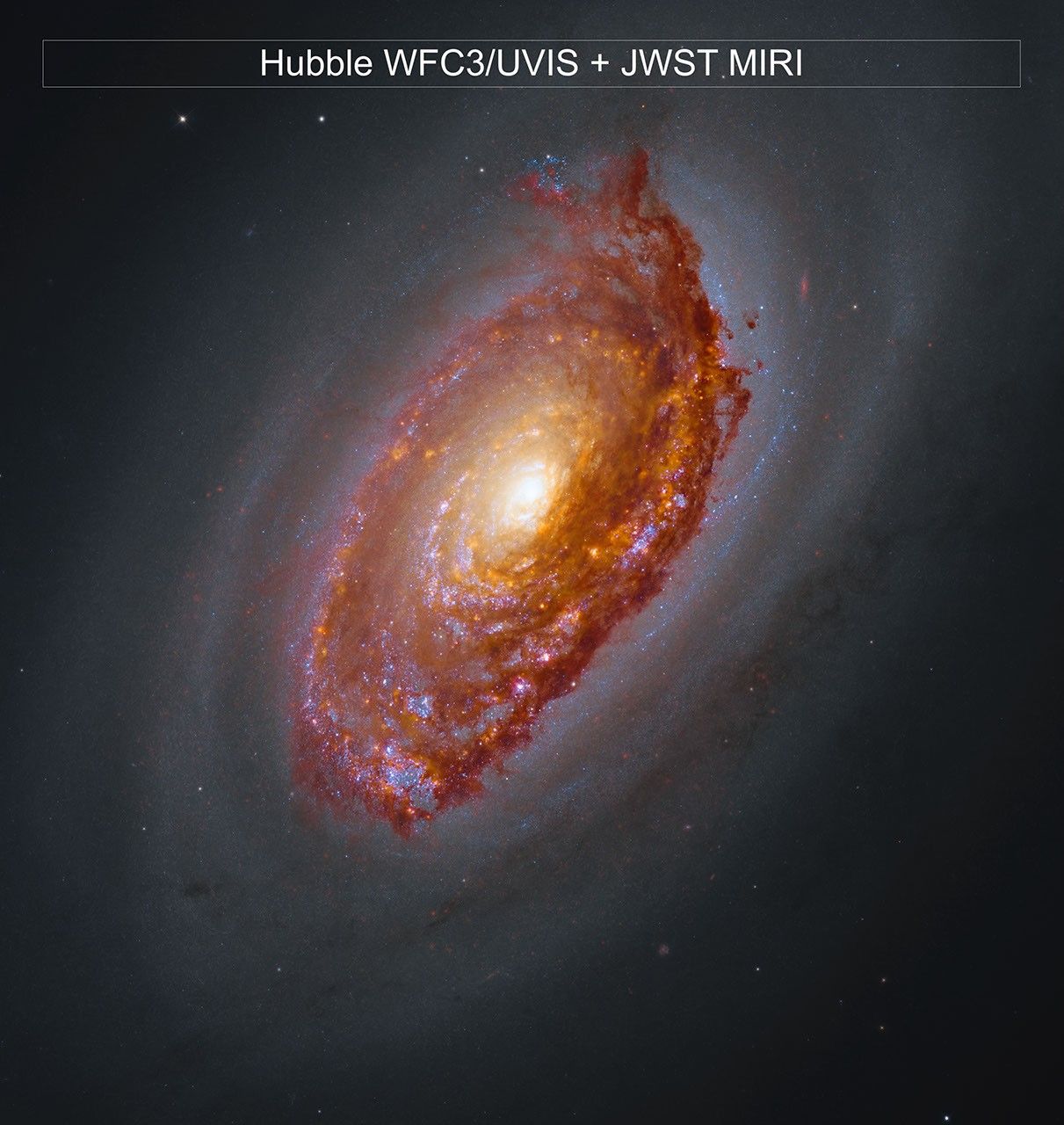
Sometimes where Hubble finds darkness, Webb sees light. An example is today’s composite images of Messier 64 (M64), a nearby spiral galaxy of many names. The dark band of dust part...

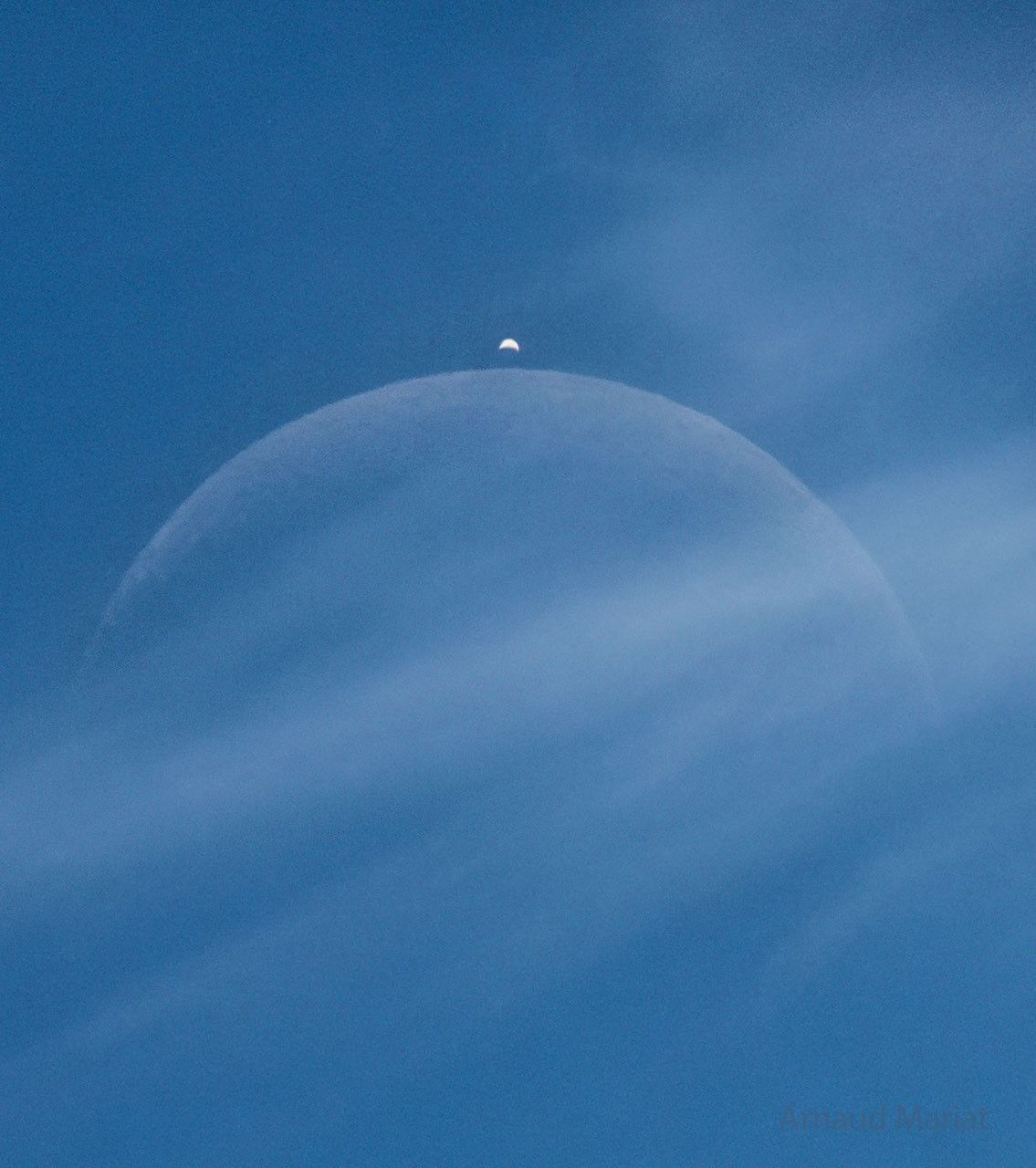
There was something behind the clouds. Upon close inspection, it was the Moon, which was hard to see yesterday around noon above the small village of Cessy, France. But soon, it ...

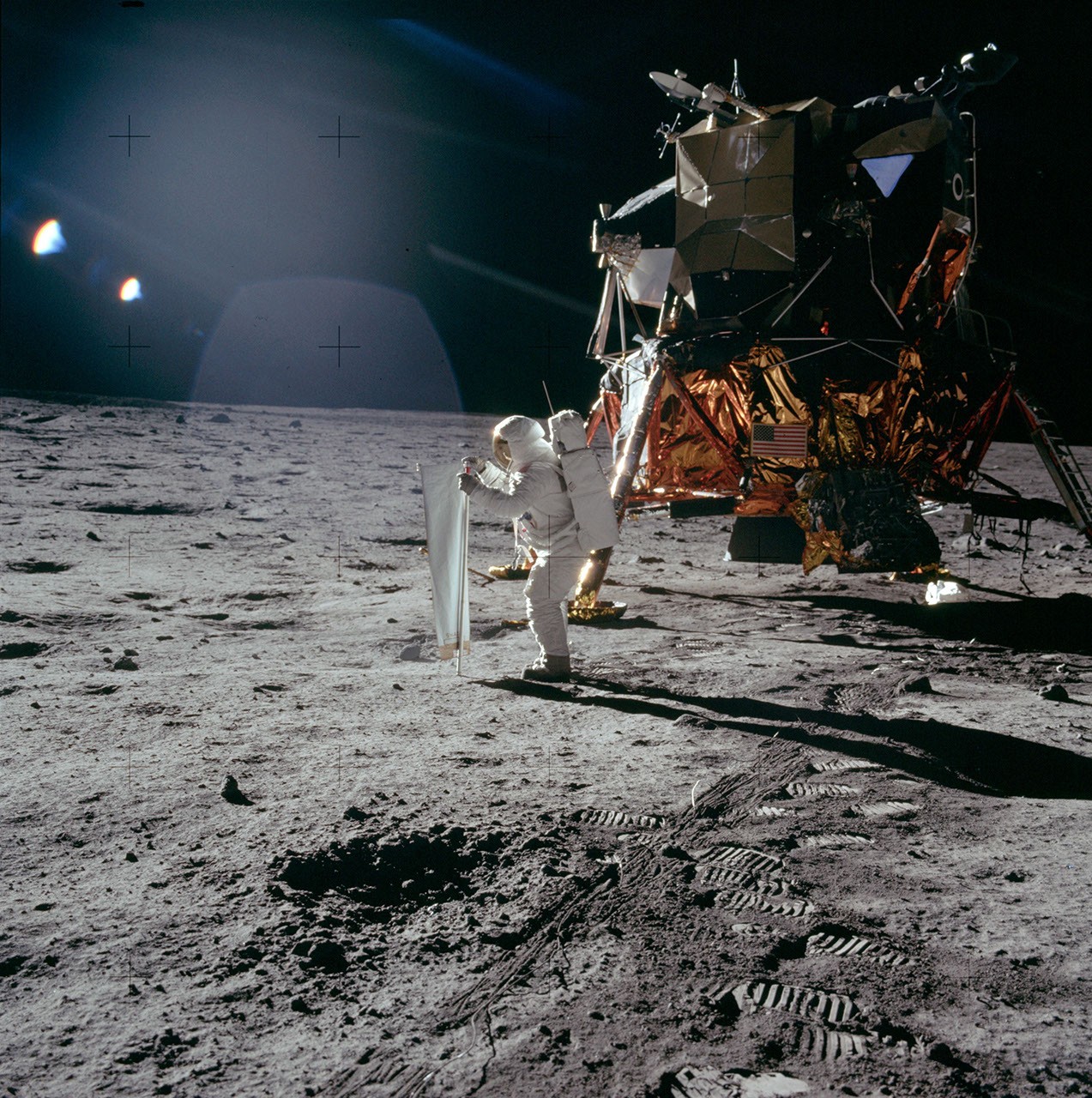
Bright sunlight glints as long dark shadows mark this image of the surface of the Moon. It was taken on July 20, 1969, by Apollo 11 astronaut Neil Armstrong, the first to walk on t...

¿Qué te parece esta imagen? Muchos ven una jirafa mirando a la derecha, con el cuello estirado y las patas largas a mitad de zancada (pero algunos podrían ver una ardilla en su lugar). La imagen destacada...

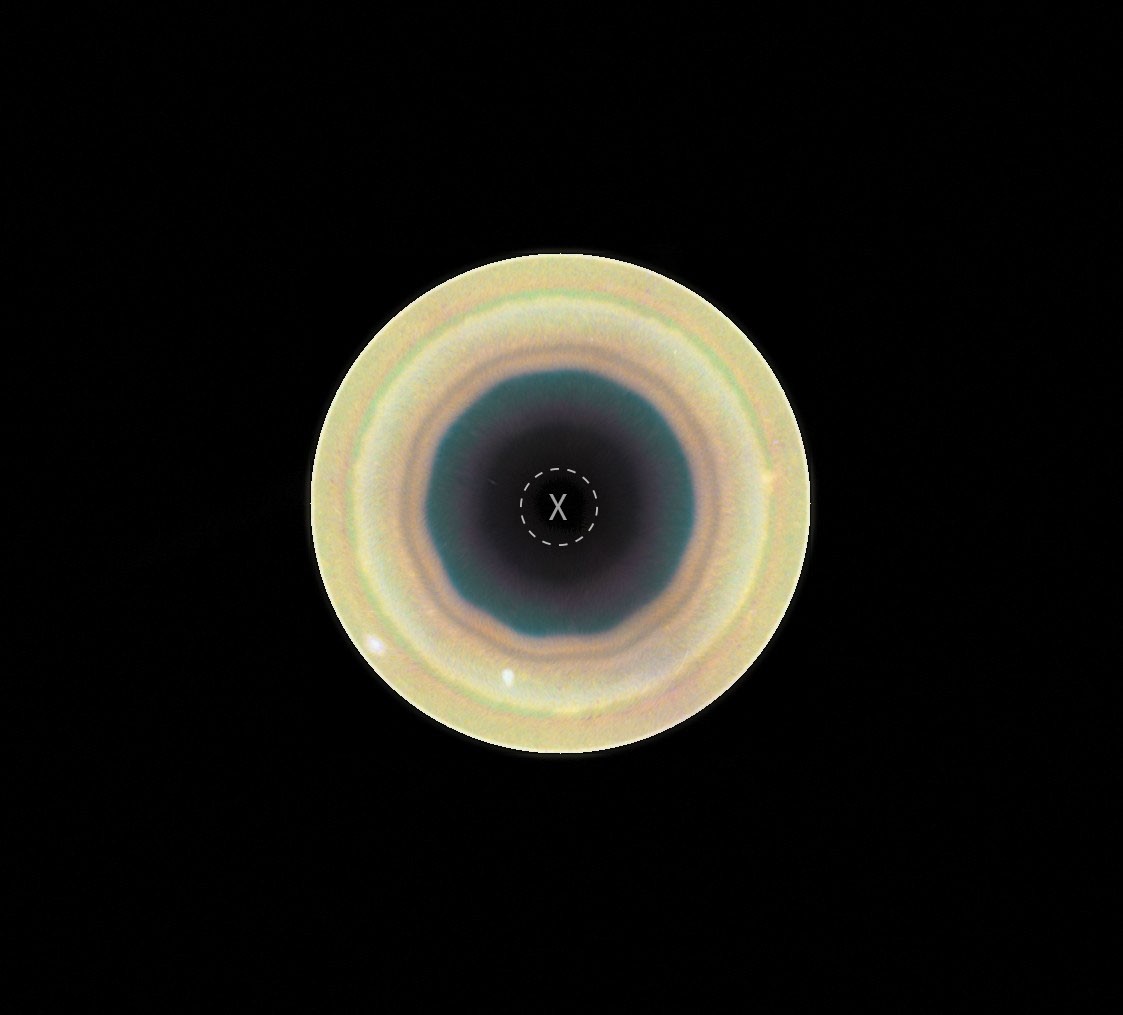
Why are Saturn’s poles geometric? Saturn’s North Pole has been known to be surrounded by a hexagonal (6 sides) cloud since discovery in 1987 in data taken by NASA’s Voyager spacecr...

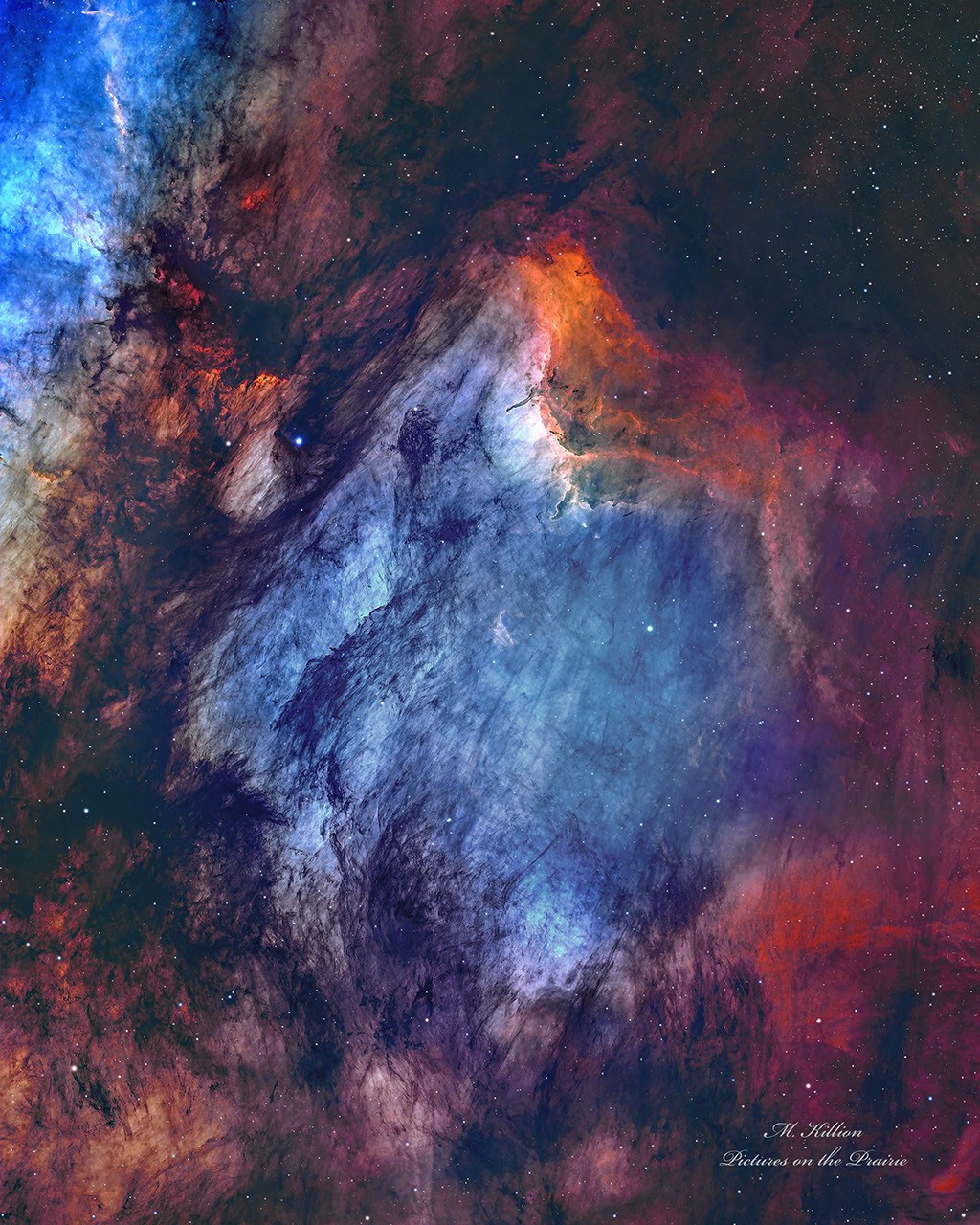
The Pelican Nebula is slowly being transformed. IC 5070 (an official designation) is divided from the larger North America Nebula by a molecular cloud filled with dark dust. The ...

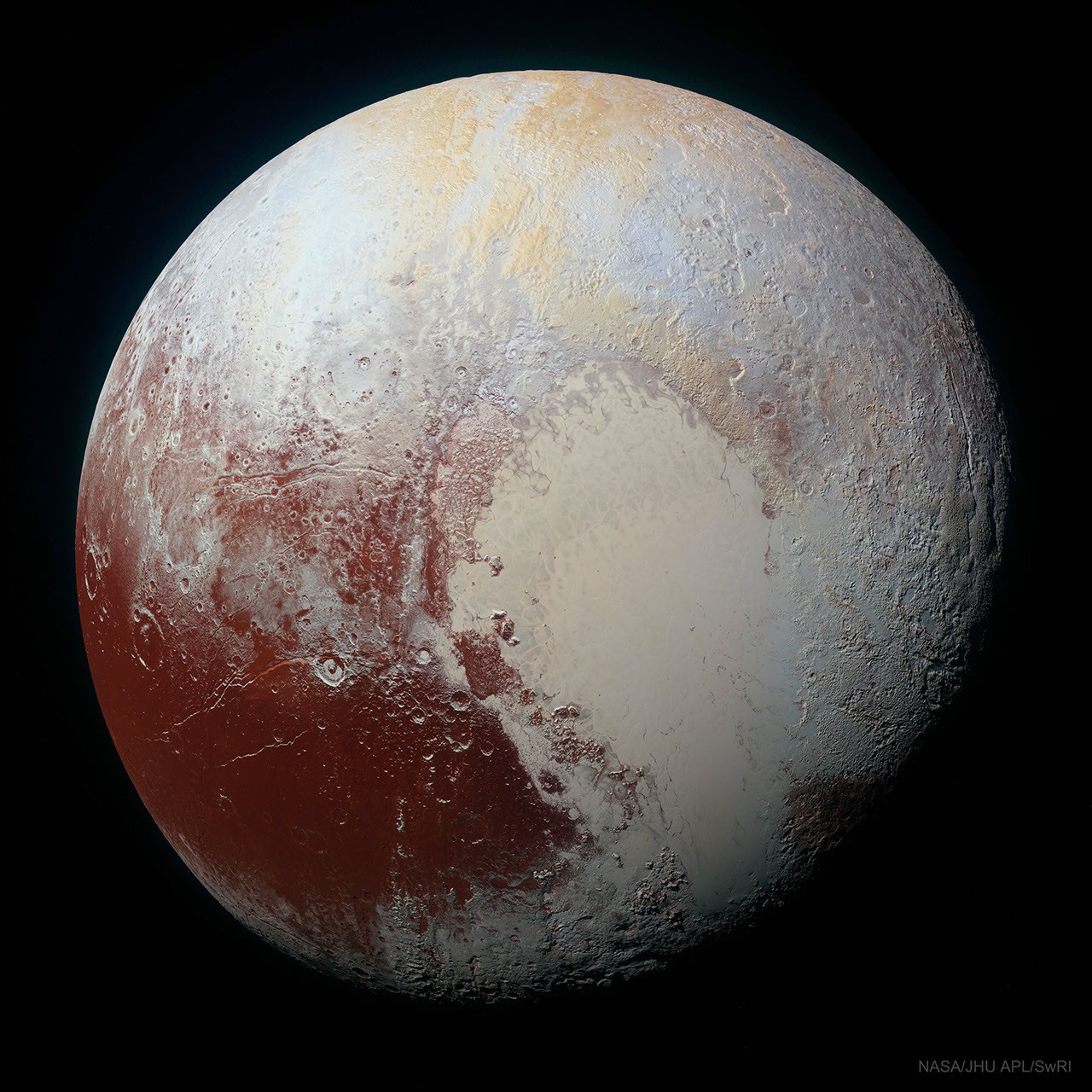
Plutón es más colorido de lo que podemos ver. Datos de color e imágenes de alta resolución del planeta enano más famoso de nuestro Sistema Solar, tomadas por la nave espacial robótica New Horizons durante su...

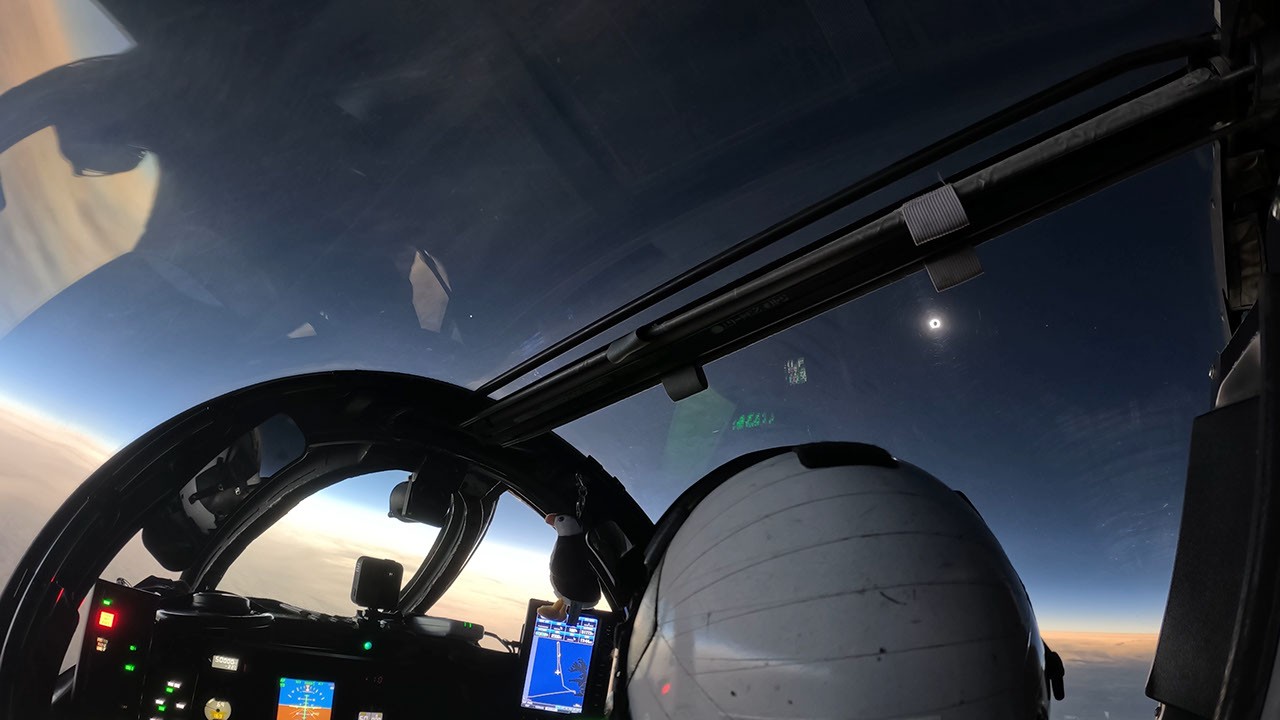
Chasing the shadow of a New Moon, NASA’s WB-57F high altitude research aircraft took to the skies off the coast of Iceland on August 12 to observe a total solar eclipse. At 50,000 ...

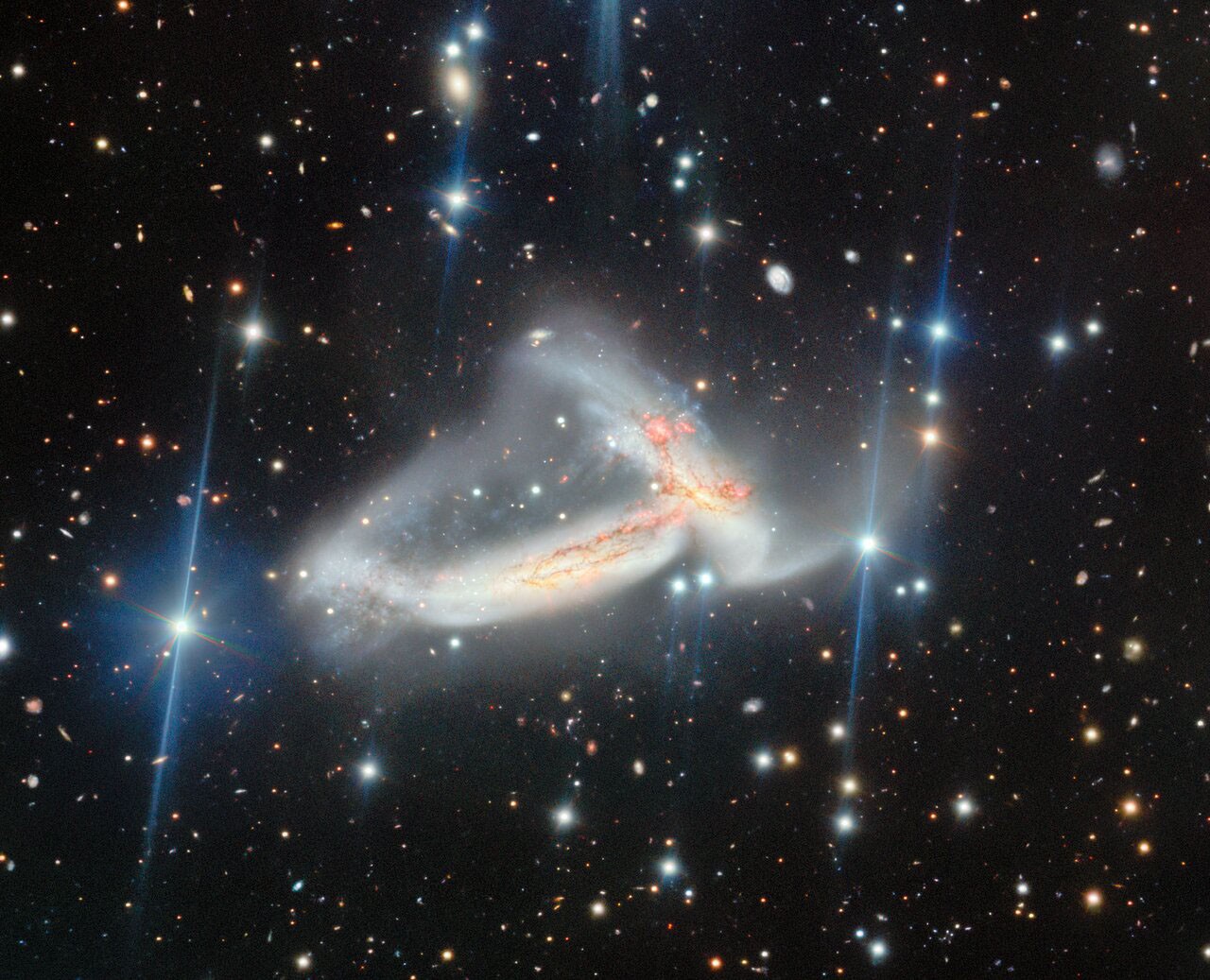
Nā ʻUhane Māhoe Huki Pū i ke Ola, is the Hawaiian name given to this image of a pair of spiral galaxies locked in a mutual gravitational embrace. Some 200 million light-years dista...

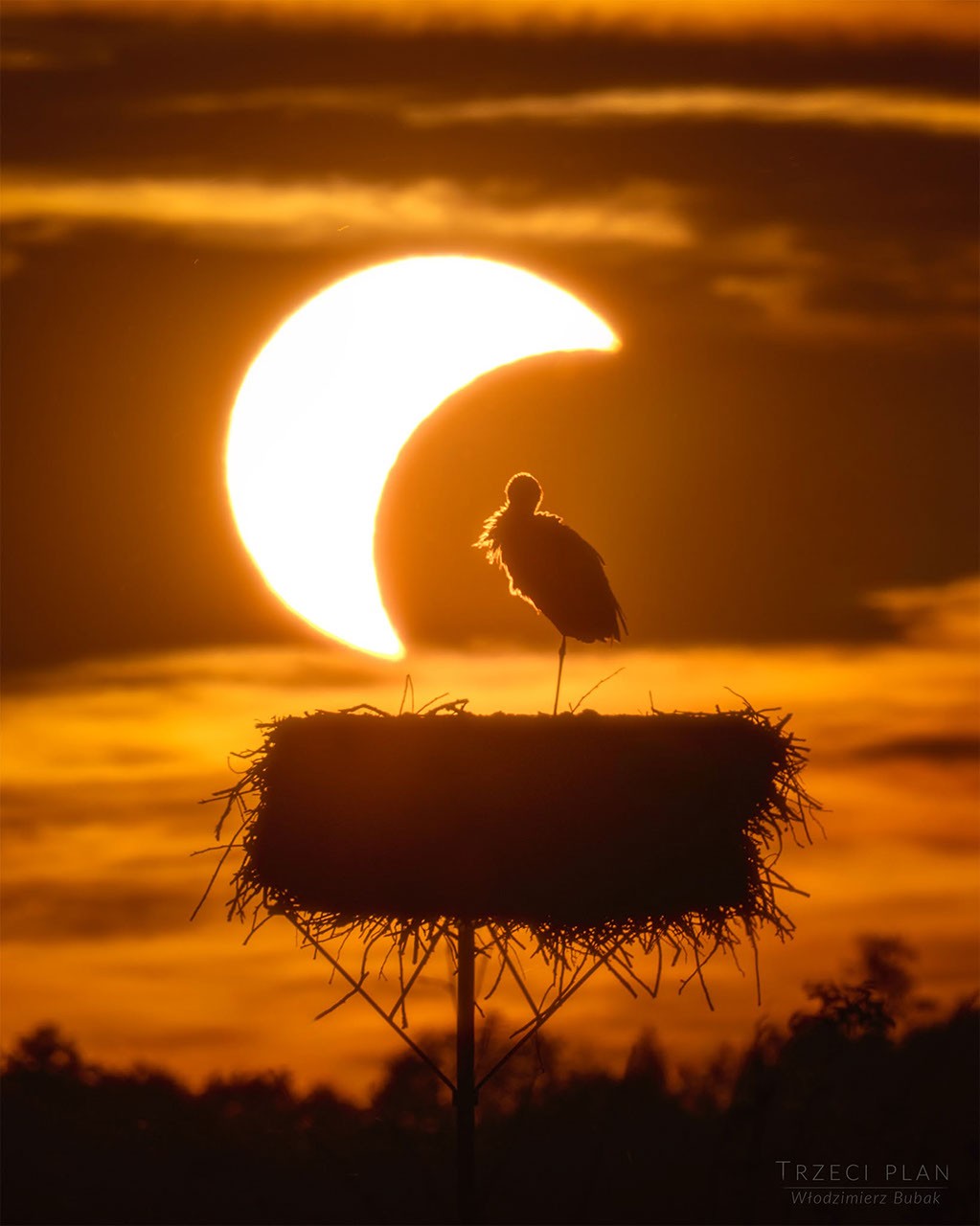
How do animals react to a total solar eclipse? The featured image shows a stork roosting on her nest in Poland at a partial phase of the recent total solar eclipse. If you are ...

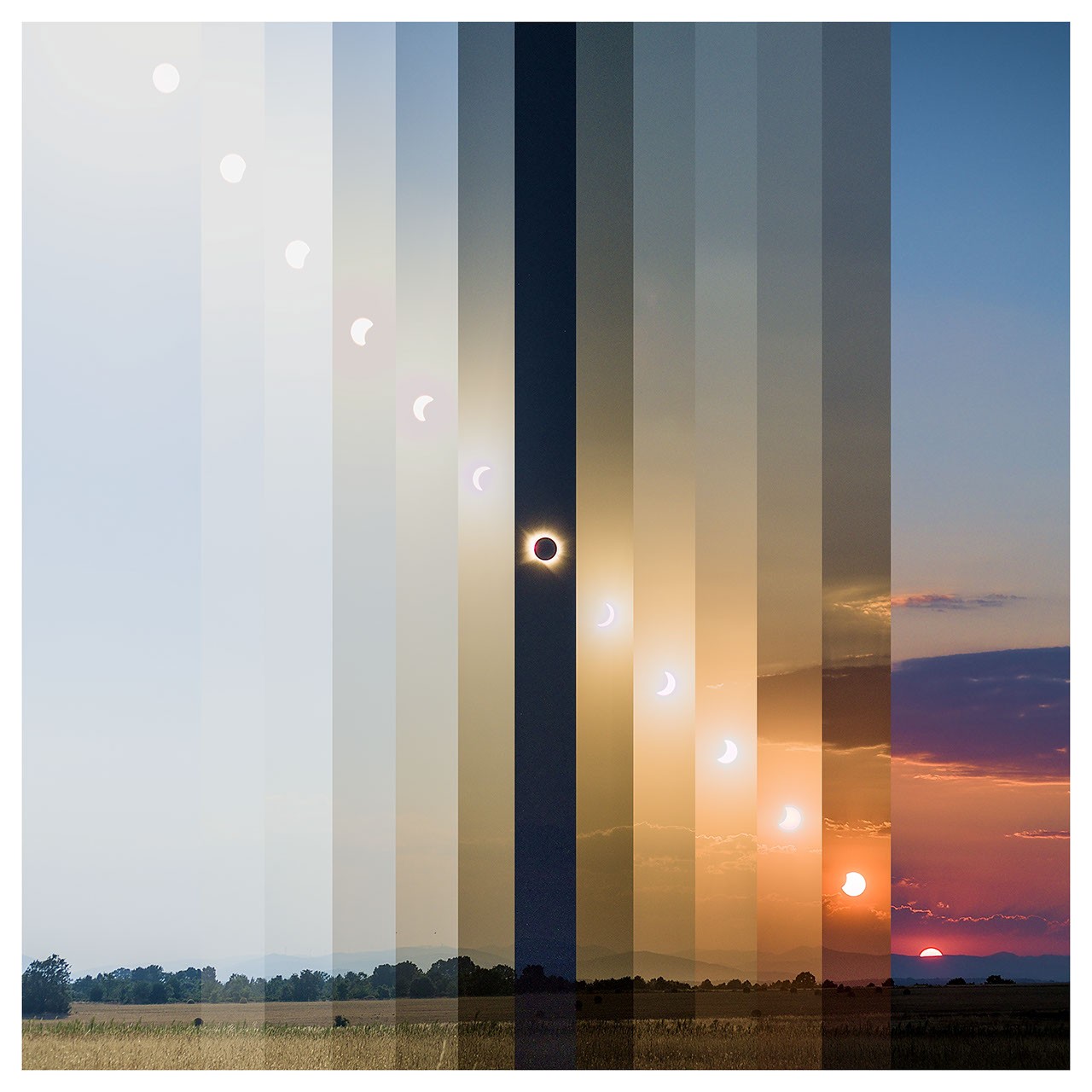
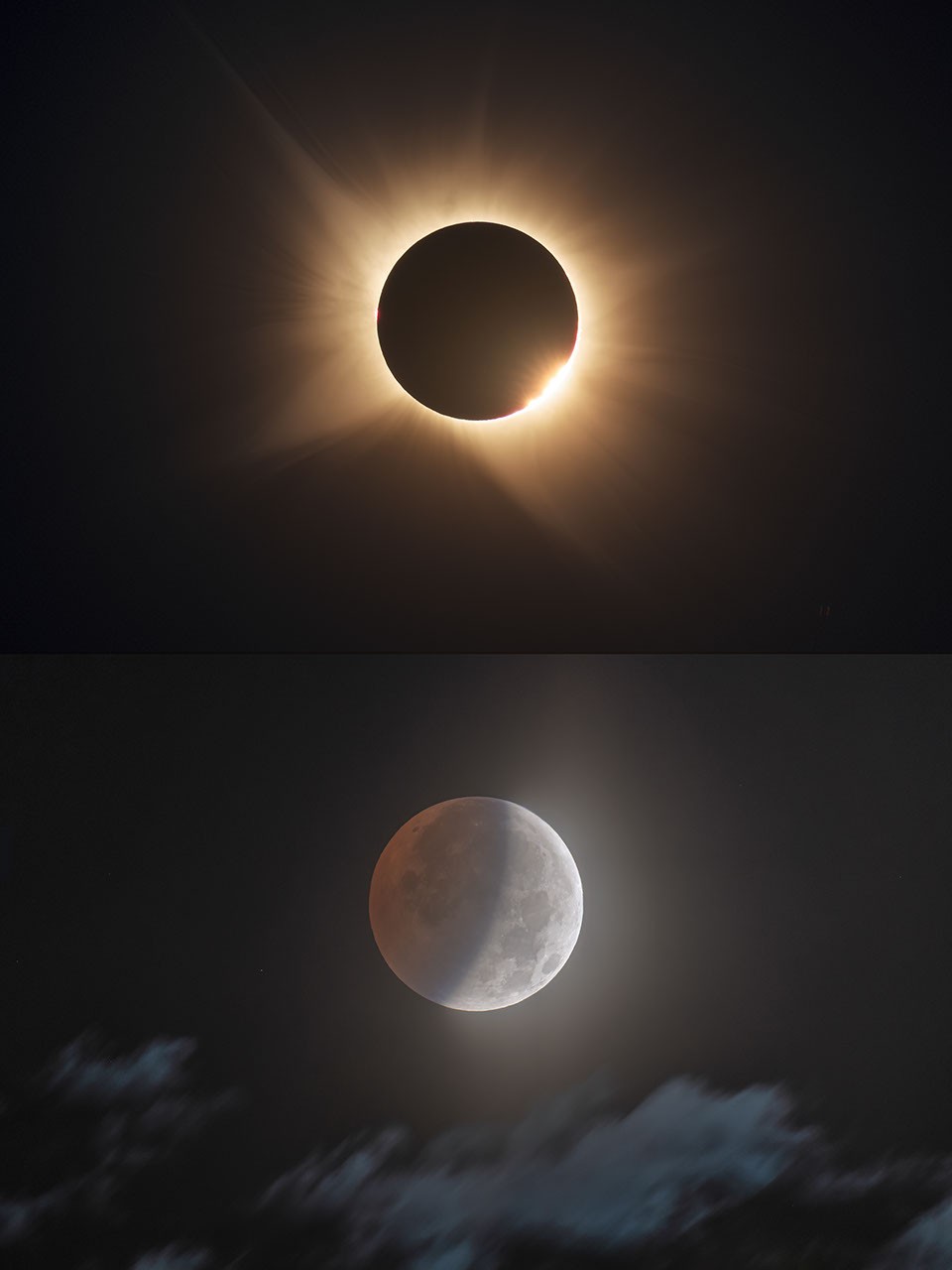
Imagina que nunca antes habías oído hablar de un eclipse solar. El comportamiento del Sol ha sido predecible durante toda tu vida. Un día, eres testigo de cómo el cielo se transforma, tal como sucede en la imagen combinada de hoy...

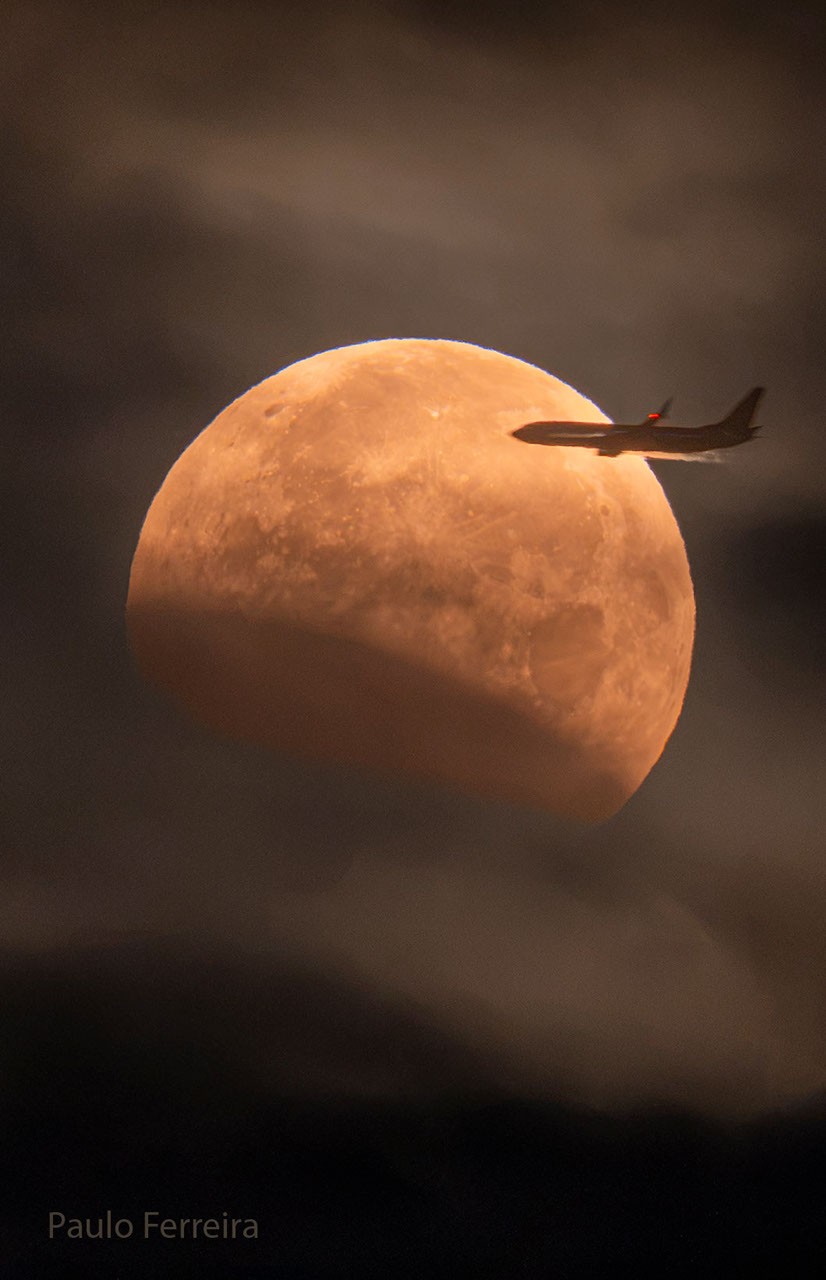
¿Necesitabas estar en el lado derecho de este avión para ver este eclipse? No. Los eclipses lunares se ven rutinariamente desde la mitad de la Tierra que mira hacia la Luna cuando ocurre el eclipse...

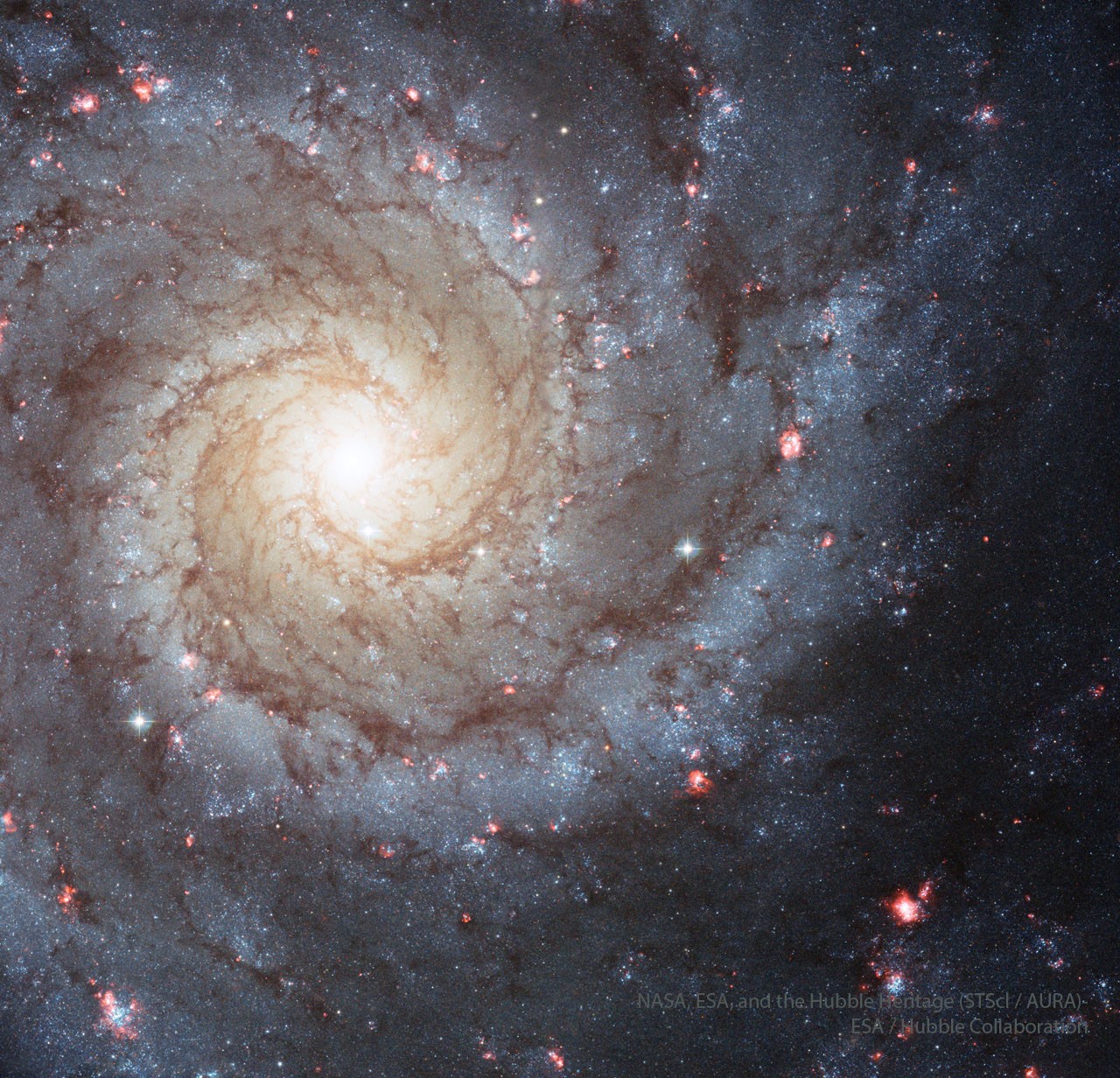
Si no es la más grandiosa, esta galaxia espiral es al menos una de las más fotogénicas. Un universo isla de unos 100 mil millones de estrellas, a 32 millones de años luz de distancia, hacia la conste...

Los eclipses tienden a venir en pares. Dos veces al año, durante una temporada de eclipses que dura unos 34 días, el Sol, la Luna y la Tierra pueden alinearse casi. Entonces las fases de Luna nueva y Luna llena, sep...

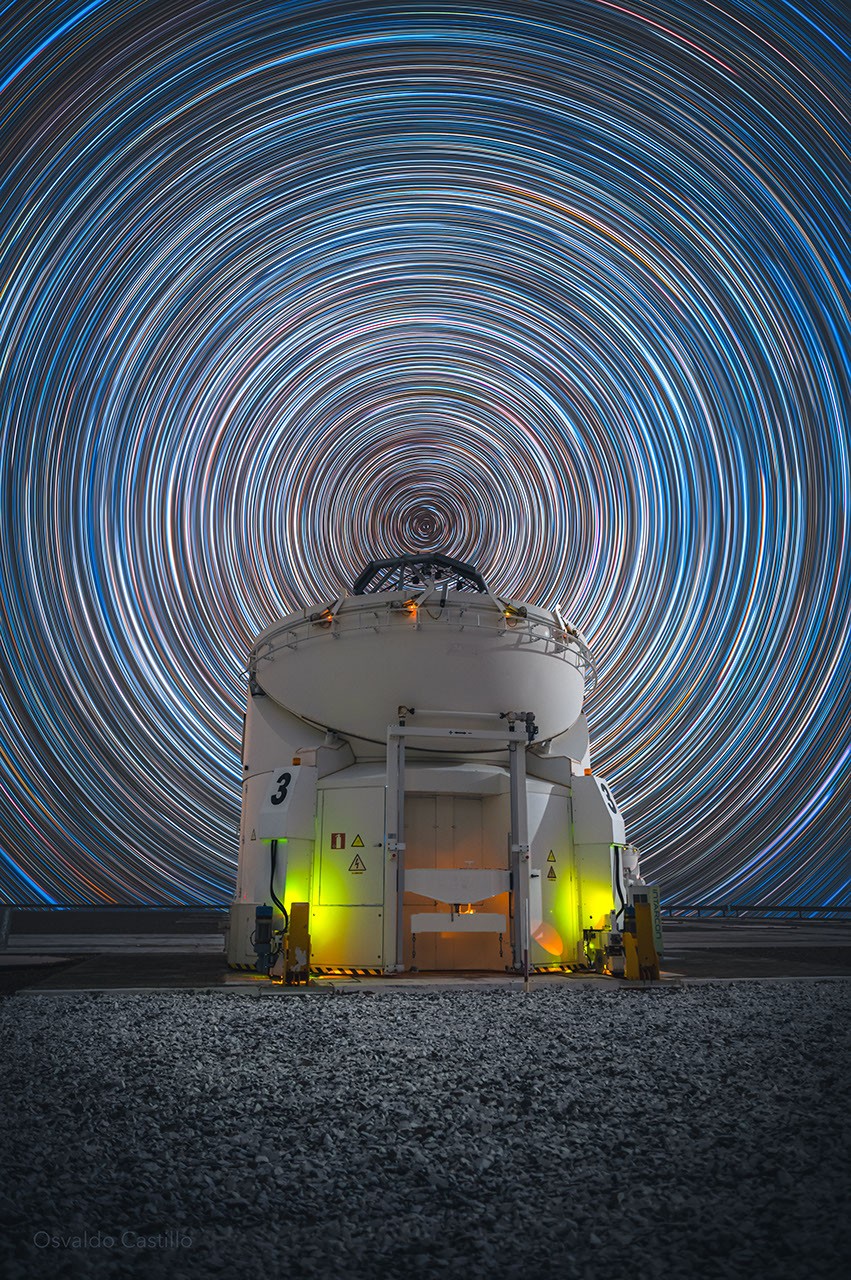
A la latitud del Observatorio Paranal de ESO en Chile, a unos 25 grados sur, la rotación de la Tierra mueve la superficie del planeta hacia el este a más de 1.500 kilómetros por hora. Y aunque es...

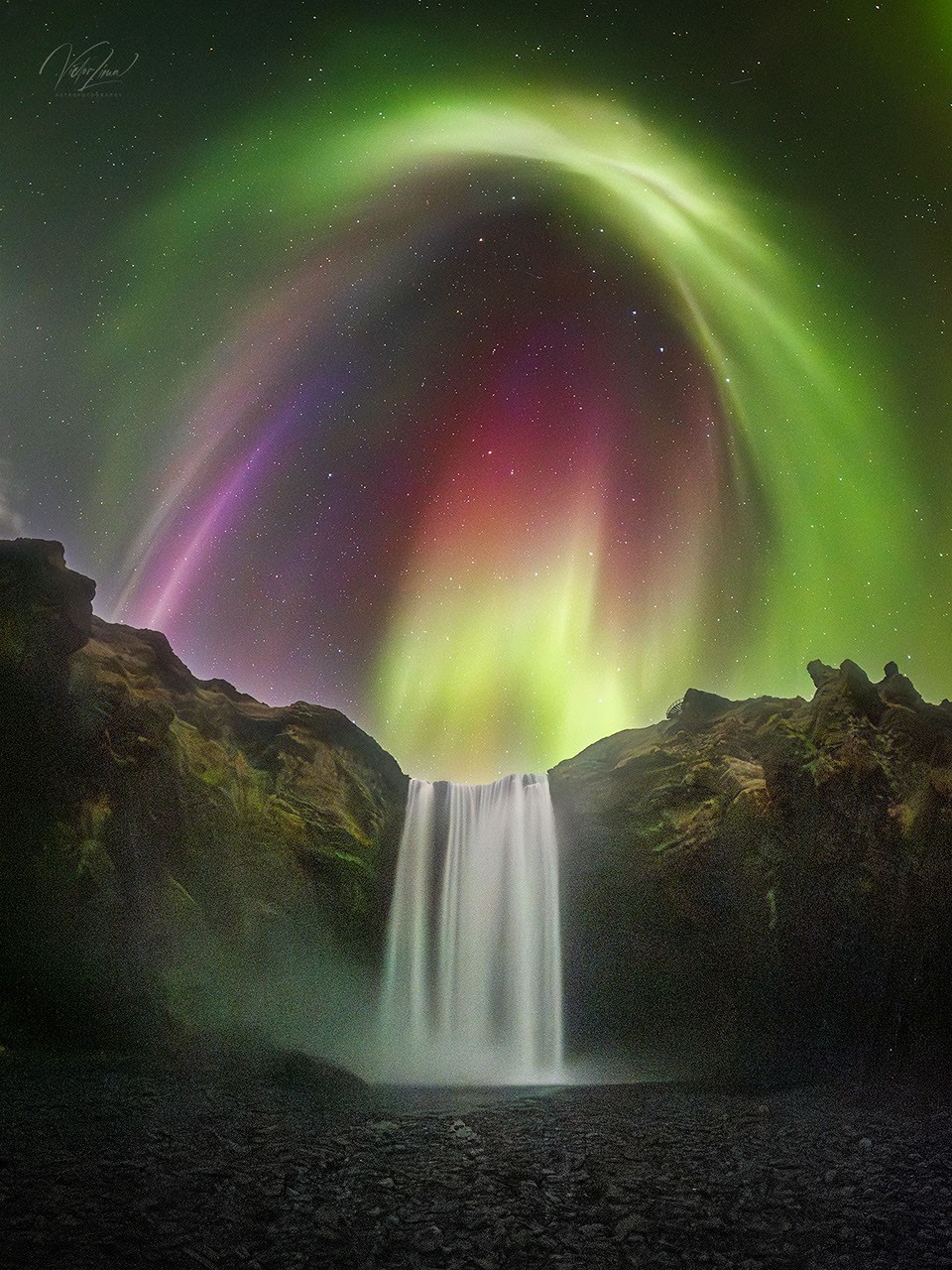
¡Qué espectáculo para la vista, cuando un cielo nocturno se llenó de colores que parecían llover sobre la cascada Skógafoss en Islandia. Esta imagen fue tomada con una exposición única de 5 segundos...

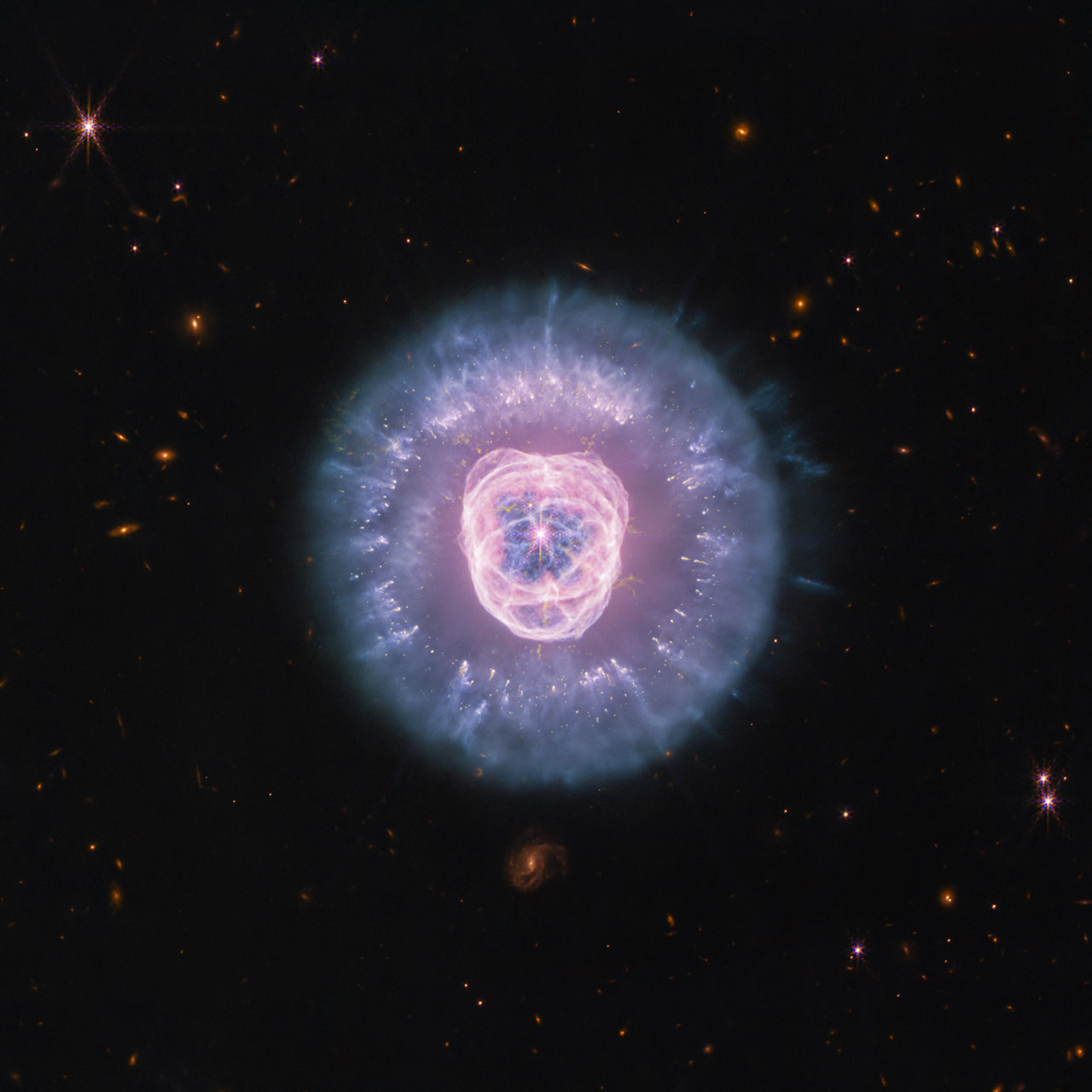
¿Estamos viendo el futuro de nuestro Sol? El Telescopio Espacial James Webb capturó la imagen compuesta de hoy de la Nebulosa Cabeza de León (NGC 2392) con sus instrumentos NIRCam y MIRI. ...

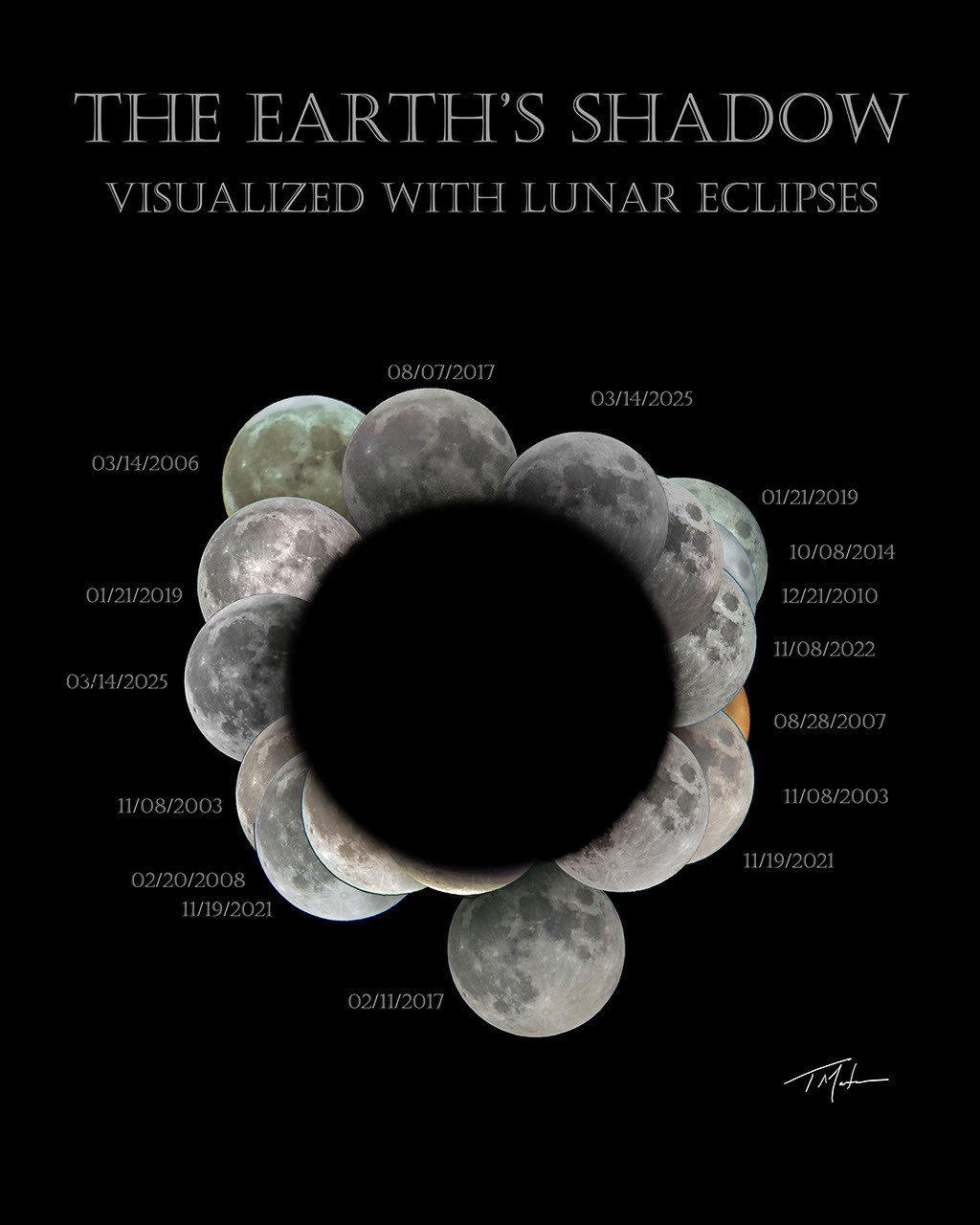
What’s creating this giant hole in space? This is not a black hole — it’s a shadow. It’s Earth’s shadow. Since at least the time of Aristotle, people have noted that Earth's dark...